
Last updated November 21, 2026
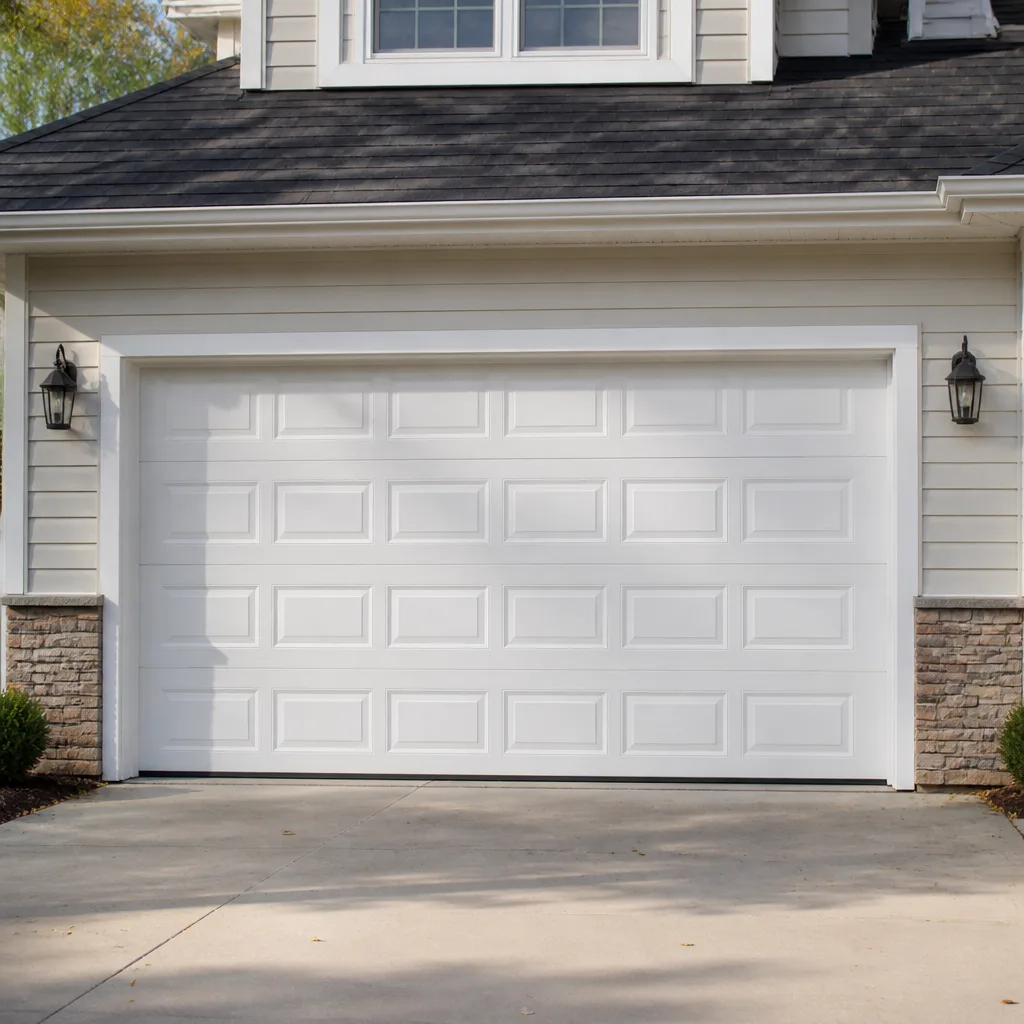 Raised-panel steel
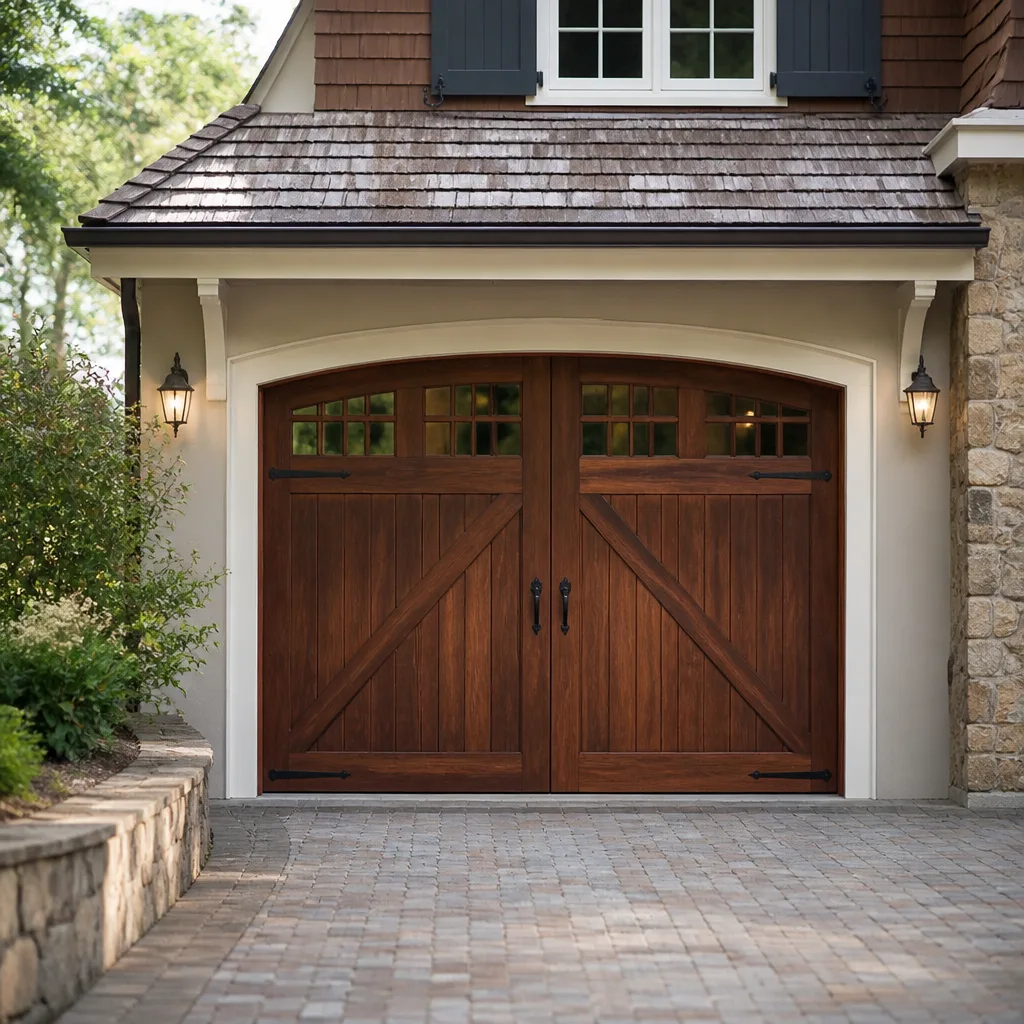 Carriage house
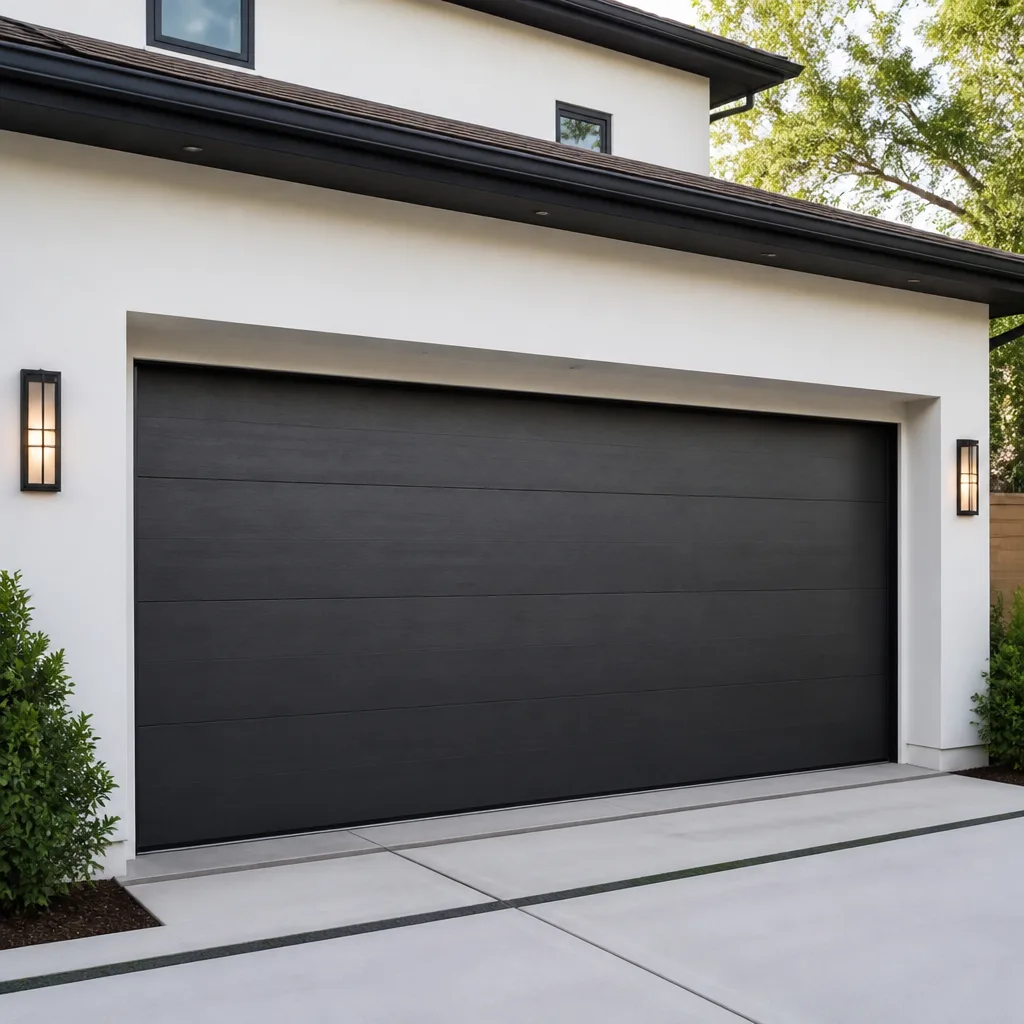 Modern flush
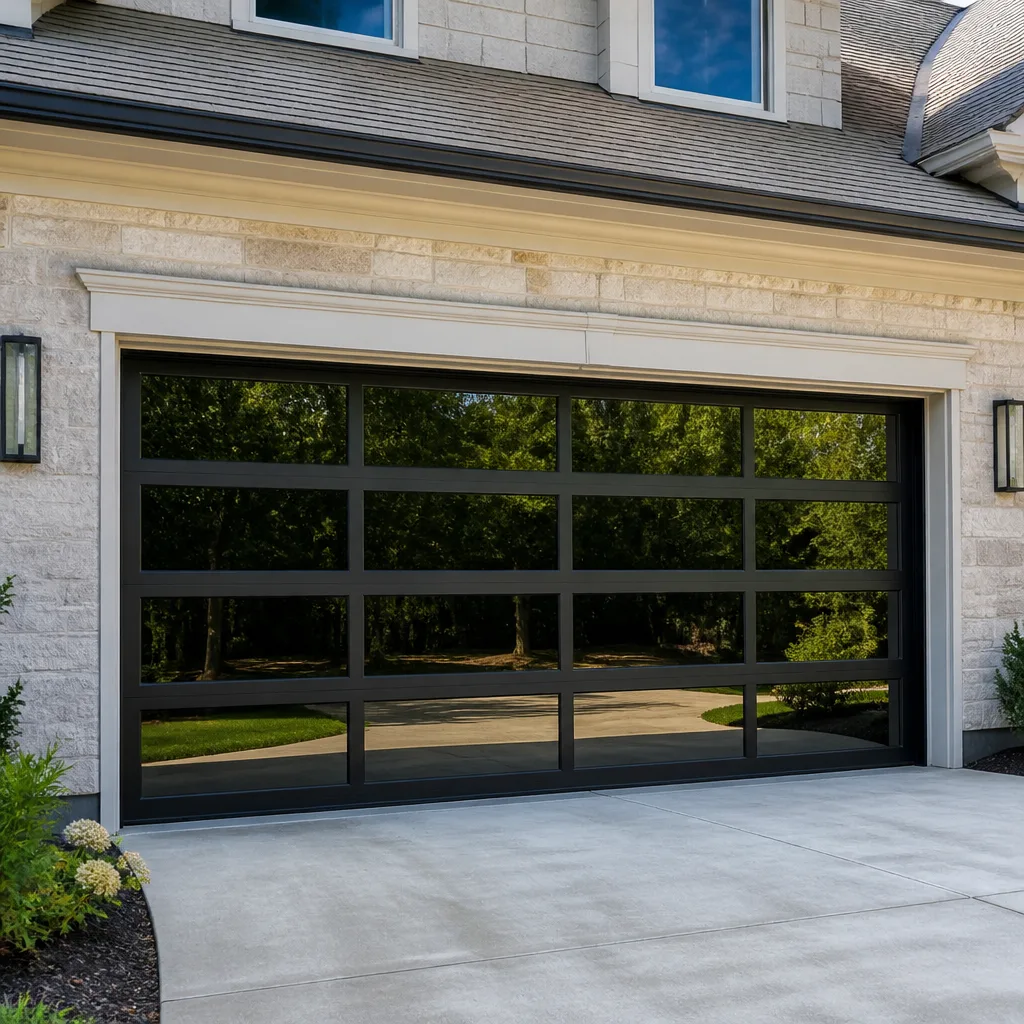 Full-view glass
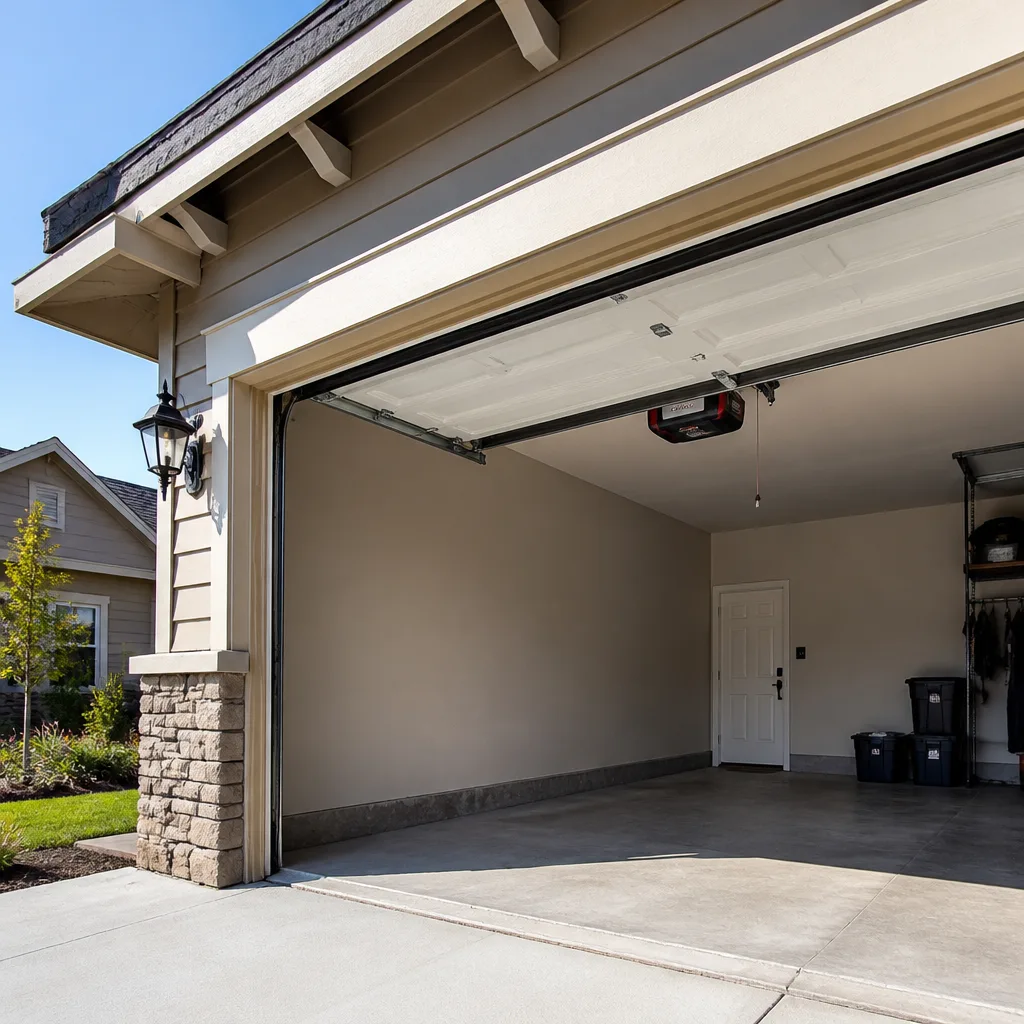 LiftMaster openers
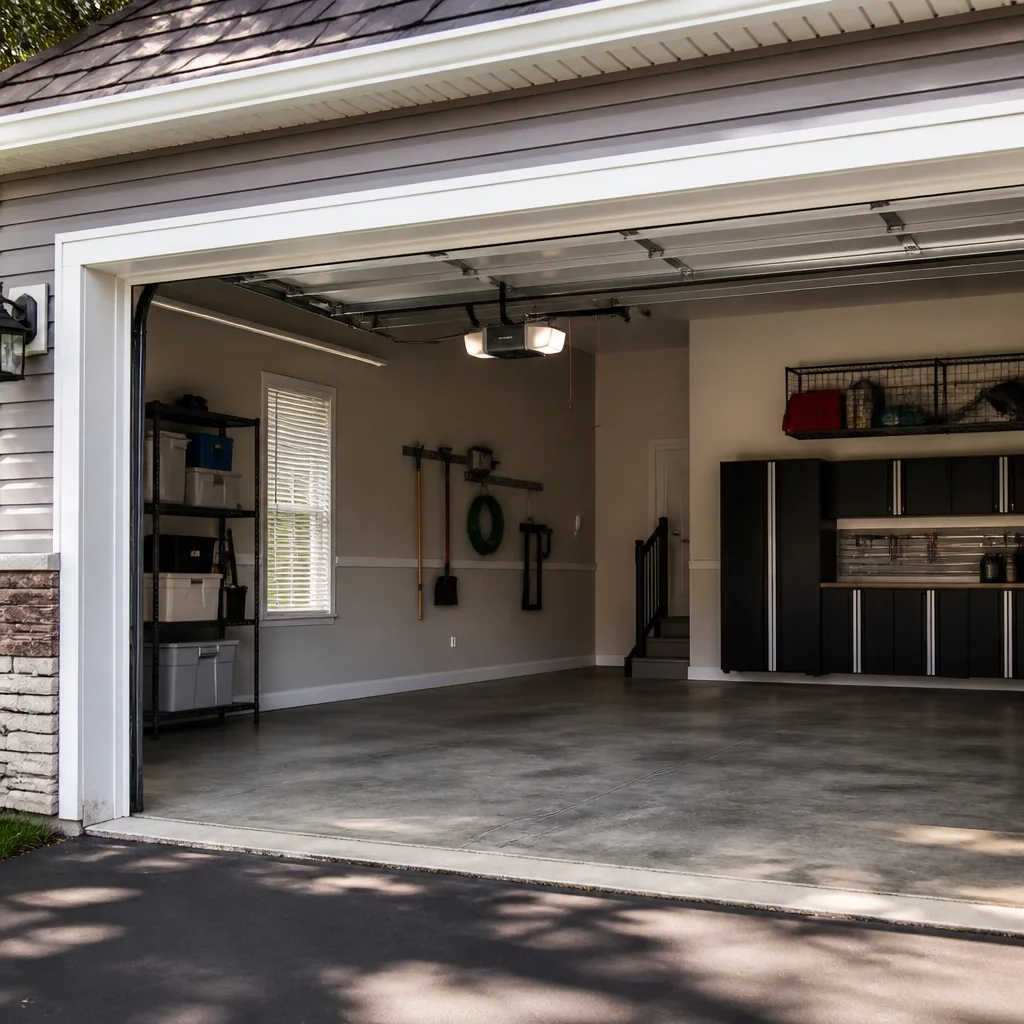 Chamberlain openers
Full 25-point door and opener safety check with every visit - springs, cables, rollers, tracks, and your LiftMaster or Chamberlain opener included
You get a price before we start. It does not change when the pro arrives.
Get your free estimateChoosing the Right Garage Door Brand: A Buyer’s Guide for Northeast Minneapolis
The garage door brand with the loudest national advertising is often the wrong door for an alley garage in Northeast Minneapolis. National reviews are written for a climate where winter shows up for a few weeks, not the five months of freeze-thaw cycling that shapes every door in this part of the city. Insulation ratings that pass in a mild market fall short on a north-facing attached garage in Audubon Park or a storage garage off a Windom Park alley. This guide walks through what actually matters: thermal performance for a Minneapolis winter, how fast parts arrive in the metro, steel gauge and finish under road salt, and which brands let any qualified technician work on them. By the end you’ll know how to match a brand and tier to your garage’s job.
Styles & brands we work with
- Raised-panel steel
- Carriage house
- Modern flush
- Full-view glass
- LiftMaster openers
- Chamberlain openers
Quick Answer
For most Northeast Minneapolis homes, the best garage door brand is the one whose insulation value, steel gauge and parts network match your specific garage and intended use. For an attached, climate-controlled garage that gets plowed-in snow against it all winter, look at an insulated steel door from a brand with same-week parts in the Minneapolis metro. For a detached storage garage, an uninsulated or lightly insulated door in a brand any technician can service is usually the smarter buy than a premium door that pushes proprietary parts.
Table of Contents
- Why Northeast Minneapolis Climate Changes the Brand Question
- How to Read R-Value Claims on Insulated Doors
- Parts Availability: Same-Week vs. Wait-and-Ship
- Steel Gauge and Finish Under Road Salt and Humidity
- Open Brands vs. Proprietary Parts: Your Long-Term Options
- Matching Brand Tier to Intended Use
- How We Evaluate a Door Before We Recommend It
- Common Mistakes to Avoid
- When to Call a Professional
- Frequently Asked Questions
- The Bottom Line
Why Northeast Minneapolis Climate Changes the Brand Question
A garage door is the largest moving opening on a house, and here it faces a harder set of conditions than the same door faces in most of the country. Five months of cold, repeated freeze-thaw cycling, plowed snow banked against the bottom seal, and de-icing salt tracked in from the alley all work on steel, finish, hinges and torsion springs at the same time. A door spec sheet tuned for a mild climate doesn’t stress-test any of that.
What that means for brand selection comes down to four things:
- Thermal performance. An attached garage that shares walls and a ceiling with the house loses heat through its door all winter. Insulation value isn’t a comfort extra here; it’s a building envelope question.
- Freeze-thaw durability. Every cycle of melt and refreeze flexes the panel seams, bottom seal and hardware. Doors built with tighter panel tolerances and thicker steel hold up longer under that repeated stress.
- Salt and humidity exposure. Street salt, road spray and summer humidity combine to attack painted steel faster than a national review will tell you. Steel gauge and finish quality matter more in Northeast Minneapolis than on a showroom floor.
- Parts availability in the metro. When a hinge, roller or spring needs replacing in January, the difference between same-week and three-week supply is the difference between a working door and a blocked car.
Northeast Minneapolis also has a lot of older housing stock: detached garages, narrower single-car openings, alley access, and homes built in eras when garages were added later or built to a smaller scale. Brand tier and panel style have to fit those dimensions and mountings, not just the marketing brochure.
How to Read R-Value Claims on Insulated Doors
R-value measures how well a material resists heat flow. The number on a door’s spec sheet is not the whole story: it’s usually the center-of-panel value, not the whole assembled door including seams, hinges and bottom seal. A door rated R-16 in the center of the panel can perform closer to R-6 once assembled, so treat header claims with skepticism and ask what the assembled value is.
Here’s what the number actually buys you in Northeast Minneapolis versus a place like Phoenix:
- Phoenix garage: The door is a barrier against afternoon sun and heat gain. A moderate R-value is fine because there’s no five-month cold season to hold back.
- Northeast Minneapolis garage: The door is a winter surface. A low R-value door on an attached garage means the adjoining room feels colder, the furnace runs more, and any plumbing or storage in the garage sits at a harder temperature. An insulated door with a solid assembled R-value changes that.
Read the claim carefully in these steps:
- Check which R-value is quoted. Center-of-panel and assembled-door values differ. Ask for the assembled figure or the door’s test standard.
- Match R-value to garage type. A detached storage garage needs far less insulation than an attached, conditioned one. Don’t overspend on a premium insulated door for a garage nobody heats.
- Look at the bottom seal and perimeter. A high panel value is wasted if the door’s bottom seal and jamb gaps leak cold air. Seal quality matters as much as the foam.
- Check polyurethane vs. polystyrene. Polyurethane foam holds a higher R-value per inch than polystyrene bead board, so a thinner polyurethane door can hit the same number.
If you’re still weighing repair versus replacement before you commit to a brand, our page on garage door installation covers how the sizing and section decisions get made.
Parts Availability: Same-Week vs. Wait-and-Ship
Parts availability is the single most underrated brand criterion for a Northeast Minneapolis homeowner. A door that looks good on paper is a liability if a failed hinge or spring means a two-to-three-week wait in the middle of winter. The brands that keep the metro supplied with fast-moving parts are the ones that support a real dealer and distributor network, so the question to ask is simple: is this part in the metro, or is it coming from a factory?
In our experience, the brands with well-established distributor coverage in the Minneapolis metro include LiftMaster and Chamberlain on the opener and hardware side, and Clopay, Amarr and Wayne Dalton on the door side. That coverage is why we’re equipped to service LiftMaster, Chamberlain, Genie, Clopay, Amarr, Wayne Dalton, Craftsman and Raynor: a technician familiar with the brand’s part numbers and mounting patterns orders the right component the first time.
Ask these questions before you buy:
- Where does this brand’s local stock live? A distributor with regional inventory gets a part to you in days, not weeks.
- Are common wear parts universal or brand-specific? Rollers and hinges are often interchangeable. Springs, drums and opener logic boards are usually not.
- How old is the model? A discontinued model line is a parts trap. A current, widely sold line is easier to keep running.
When a generalist outfit quotes on a brand they don’t actually stock or service, the first repair is where that decision catches up with you. It’s the same reason homeowner callbacks we handle often start as a garage door opener repair from a brand the first technician didn’t recognize.
Steel Gauge and Finish Under Road Salt and Humidity
Northeast Minneapolis puts more stress on a garage door’s paint than a national spec sheet accounts for. Road salt tracked in from the alley, road spray on cars pulled in wet, and summer humidity all attack the finish, and once water reaches bare steel the corrosion moves faster than the cosmetic reviews suggest. Steel gauge and finish quality are the two things that decide how long the door looks and performs the way it did on day one.
- Steel gauge: A lower gauge number means thicker steel. Doors built for cold-climate markets tend to use heavier gauge steel in the sections that flex most: bottom sections and stile edges. Thicker steel resists denting from a backed-in car and holds its shape through repeated freeze-thaw flexing.
- Finish quality: A baked-on, multi-layer finish holds up far better against salt and humidity than a single thin coat. Two-coat or three-coat finishes with a protective topcoat last longer than the painted-steel entry-level doors in the same brand line.
- Wood-look and composite finishes: Attractive in Audubon Park and Holland, but a paint-over-steel or composite skin still needs the same salt and humidity tolerance. Don’t let a visual finish override the gauge question.
- Window inserts and hardware: Plastic inserts and thinner hardware degrade in UV and cold. Aluminum or hardened hardware ages better through Minneapolis seasons.
Aesthetic trim only matters after those basics. When we size up a door for a Northeast Minneapolis home, finish durability under salt and freeze-thaw cycles gets weighted more heavily than the look of the panel profile, because the panel profile is what fails first when gauge and finish are thin.
Open Brands vs. Proprietary Parts: Your Long-Term Options
The most expensive garage door brand is the one that locks you into its own service network. An “open” brand uses widely available, interchangeable hardware so any qualified garage door specialist can service it. A “proprietary” brand uses parts only its own dealer network stocks. Both exist in the metro, and the difference shows up years down the line when you need a repair and only one type of company can do it.
Here’s how to tell which kind you’re looking at:
- Check the opener’s logic board and remotes. Openers built on universal or industry-standard protocols are easier for any technician to diagnose and repair. Proprietary opener ecosystems push you back to the original installer.
- Ask for a parts list with the quote. A quote that names the hinges, rollers, springs and opener hardware shows what’s interchangeable and what isn’t.
- Look at what local technicians actually service. A brand that shows up on a wide range of local service trucks is generally an open brand. A brand that only one dealer will touch should raise a question.
- Consider the resale picture. An open brand keeps your options open if you sell the house and the new owner needs a service company across town.
We deliberately stay equipped across open, widely serviced brands, because the homeowner’s long-term position is better when any qualified technician can work on what’s installed. That’s also why LiftMaster, Chamberlain, Genie and Craftsman show up on our opener work so often: their part networks keep a Garage Door Repair Northeast Minneapolis visit solvable with standard components.
Matching Brand Tier to Intended Use
Buying the best door the brand makes for a garage it won’t suit is the most common money mistake we see. Match the tier to what the garage actually does, not to the brand’s flagship model.
- Detached storage garage (alley, unheated): A basic or mid-tier steel door in an open brand makes the most sense. Insulation carries far less value here, and the money is better spent on sturdy hardware and a durable finish. This is common across the alley-served streets in Logan Park and Holland.
- Detached garage used daily for a car: Step up to a better gauge steel and a stronger bottom seal. The door faces regular traffic and freeze-thaw flexing. Insulation helps, but it’s secondary to durability.
- Attached, unheated garage: Insulation starts to matter because the garage sits against the house. A mid-tier insulated door in an open brand balances cost and envelope performance.
- Attached, climate-controlled garage: Here the top tier earns its price. Full insulation value, heavier steel, quality finish and a solid bottom seal. The door is part of the building envelope, and it should be treated that way.
Tier and brand should also match the house. A modern premium door on a 1920s bungalow in Beltrami can look misplaced, while a matched panel profile in a mid-tier brand looks right. The right door for a Northeast Minneapolis home fits the house, the garage and the way it’s used, which is why we don’t lead with the biggest name on the market.
How We Evaluate a Door Before We Recommend It
When we look at a brand for a Northeast Minneapolis home, we work through the same criteria you would if you had a technician’s training and a metro parts sheet in front of you. This is our actual process:
- Confirm the garage type and access. Attached or detached, heated or unheated, alley or driveway access, standard or odd opening size. The garage decides the tier before the brand enters the picture.
- Measure the opening and the headroom. Section height, available side clearance and mount style decide which brand lines and hardware options fit.
- Check the assembled R-value and bottom seal. For an insulated attached garage, we want the assembled number and a seal that will hold against plowed snow, not just a center-of-panel claim.
- Verify local parts coverage. We check that the common wear parts are stocked or quickly sourced in the metro, then flag anything proprietary.
- Match the finish to the exposure. The door’s finish needs to stand up to road salt and summer humidity, not just look good in a catalog photo.
- Write the price first. You get the brand, model, tier and price in writing before any work starts. The written estimate sets the final price, and we don’t start until you agree.
That process exists because a garage door doesn’t fail in isolation. Once it’s installed, the same door will need garage door repair over its life, and we want the door we recommend to be serviceable for years rather than locked into a single supply chain. Our technicians have up to 12 years of experience, and that experience mostly shows up in the questions we ask before a recommendation, not after.
Common Mistakes to Avoid
- Buying on national reviews alone. A brand acclaimed in mild markets may spec a thinner steel or lower insulation value than a Northeast Minneapolis winter justifies. Read the local requirement first, then the brand.
- Paying for insulation on a detached storage garage. An insulated premium door on an unheated alley garage in Logan Park rarely pays back. Spend that money on gauge and hardware instead.
- Ignoring parts availability. A door that waits three weeks for a hinge in January is a stranded car and a security gap. Confirm the metro supply before you buy.
- Overlooking the finish. A single-coat paint job on thin steel may look fine in a showroom and fail against salt and humidity within a few seasons. Ask about finish layers.
- Buying a proprietary ecosystem by accident. If the opener, remotes and hardware are only serviceable through one dealer, you’ve committed future repairs to one company’s schedule.
- Skipping the measure. Guessing the opening height or side clearance leads to a door that doesn’t fit the headroom or mount. A free measure and a written format quote rules that out.
- Letting a generalist talk you into their brand. A general handyman may only sell what their supplier carries. A garage door specialist can tell you what actually fits your garage.
When to Call a Professional
A few situations call for a specialist rather than a self-guided brand search. If your door is stuck and the car is inside, if a torsion spring has failed, if the opener runs but the door doesn’t move, or if the door is hanging crooked and pulling away from the tracks, those are repair problems that need a trained garage door technician on site. The same goes for a door that won’t seal at the bottom in winter, or a garage you’re about to heat and want properly insulated. When you’re planning a new door rather than fixing one, a free measure and a written estimate is the right first step. Garage Door Repair Northeast Minneapolis offers free estimates in Northeast Minneapolis. Call (844) 888-9545. We answer 24/7. Fast dispatch from 7am to 7pm, Sunday through Friday. The price is quoted and agreed before any work starts.
Frequently Asked Questions
There isn’t one single best brand: the right pick depends on garage type, assembled R-value, steel gauge and local parts coverage. For an attached, climate-controlled garage, a fully insulated steel door from a brand with same-week metro parts tends to earn its price. For a detached storage garage, a durable uninsulated or lightly insulated door in an open brand usually makes more sense. Call (844) 888-9545 for a free estimate on the right fit.
Yes, and more, at least for an attached garage. A low R-value door in a five-month cold season leaks heat from the adjoining house, while the same door in a warm climate is mostly a barrier against afternoon sun. Check the assembled R-value rather than the center-of-panel claim, and match the insulation to whether the garage is heated or attached.
Only if the brand uses open, interchangeable hardware. Open brands allow any qualified technician to source and replace the wear parts, while proprietary brands limit service to their own dealer network. Ask for the parts list before you buy so you know which kind you’re getting. We’re equipped to service LiftMaster, Chamberlain, Genie, Clopay, Amarr, Wayne Dalton, Craftsman and Raynor, and we can tell you what any given brand will need. Call (844) 888-9545 for exact quoting on your system.
A well-chosen door in the right gauge for its exposure typically lasts many years, but road salt, humidity and freeze-thaw stress are the factors that shorten its life. A heavier gauge, a multi-layer finish and a solid bottom seal make the biggest difference. The written estimate you get before purchase should name the tiers and materials so you can compare them honestly. Call (844) 888-9545 to talk through the options for your garage.
No: the price is quoted and agreed before any work starts, and the written estimate sets the final price. That’s the point of a free measure and a written quote. If a repair turns out to be more involved than the estimate assumed, the change is discussed and agreed before the work proceeds, not billed after. Call (844) 888-9545 for a free estimate.
Not necessarily, but it helps to know whether the opener uses open or proprietary hardware. An open opener ecosystem leaves your options open for any technician to repair it, while a proprietary one tends to lock you to the original installer. A specialist can check the opener and the door together before you commit. Call (844) 888-9545. We answer 24/7, with fast dispatch from 7am to 7pm, Sunday through Friday.
The Bottom Line
The best garage door brand for a Northeast Minneapolis home is the one that fits the garage’s job, holds up under five months of freeze-thaw, salt and humidity, and anyone qualified can service. Read the assembled R-value, not the center-of-panel claim. Check metro parts availability before you buy. Match steel gauge and finish to how much exposure the door actually sees. Favor open brands that keep your long-term repair options open. And match the tier to the garage: a storage space and an attached, heated space are not the same purchase. Get a free measure and a written price, compare the brands on these criteria, and the right door for your Northeast Minneapolis home becomes the obvious one.
Written by the team at Garage Door Repair Northeast Minneapolis.
See the difference
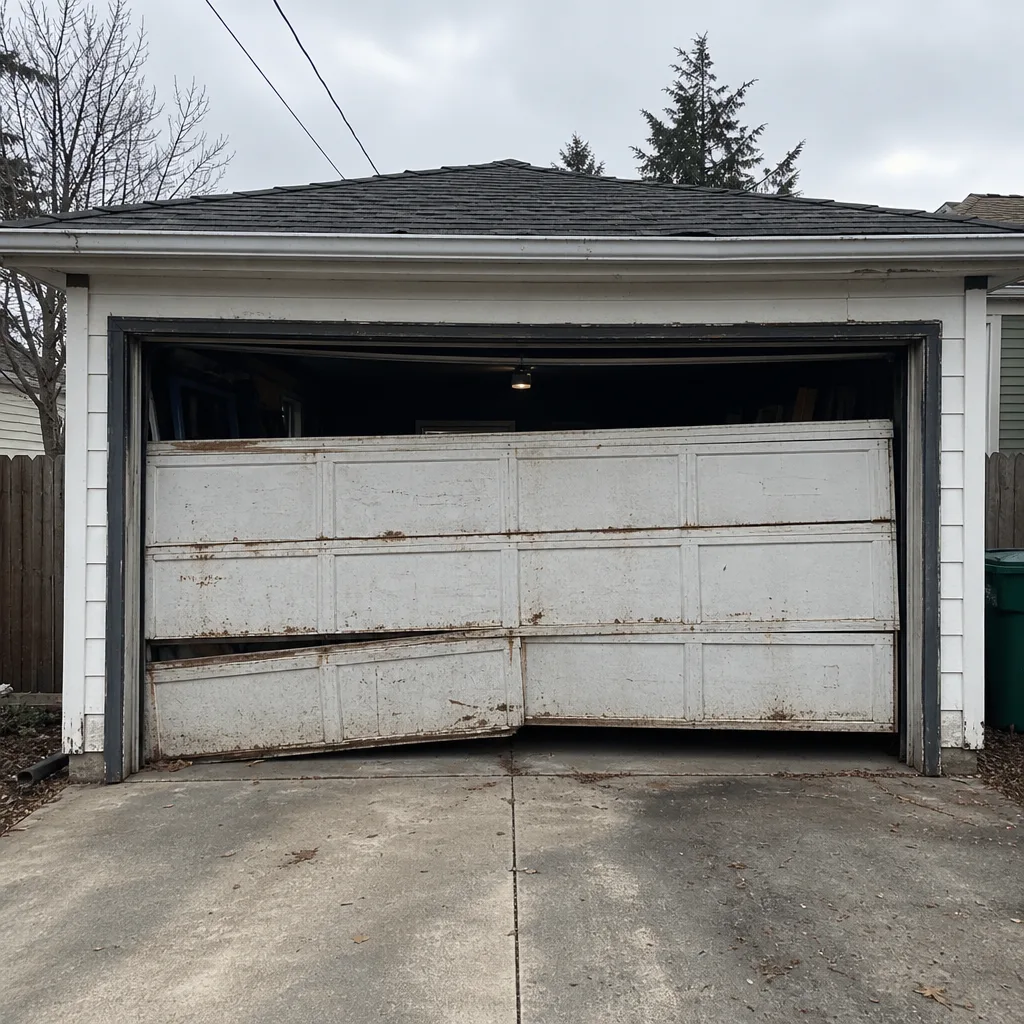 Before
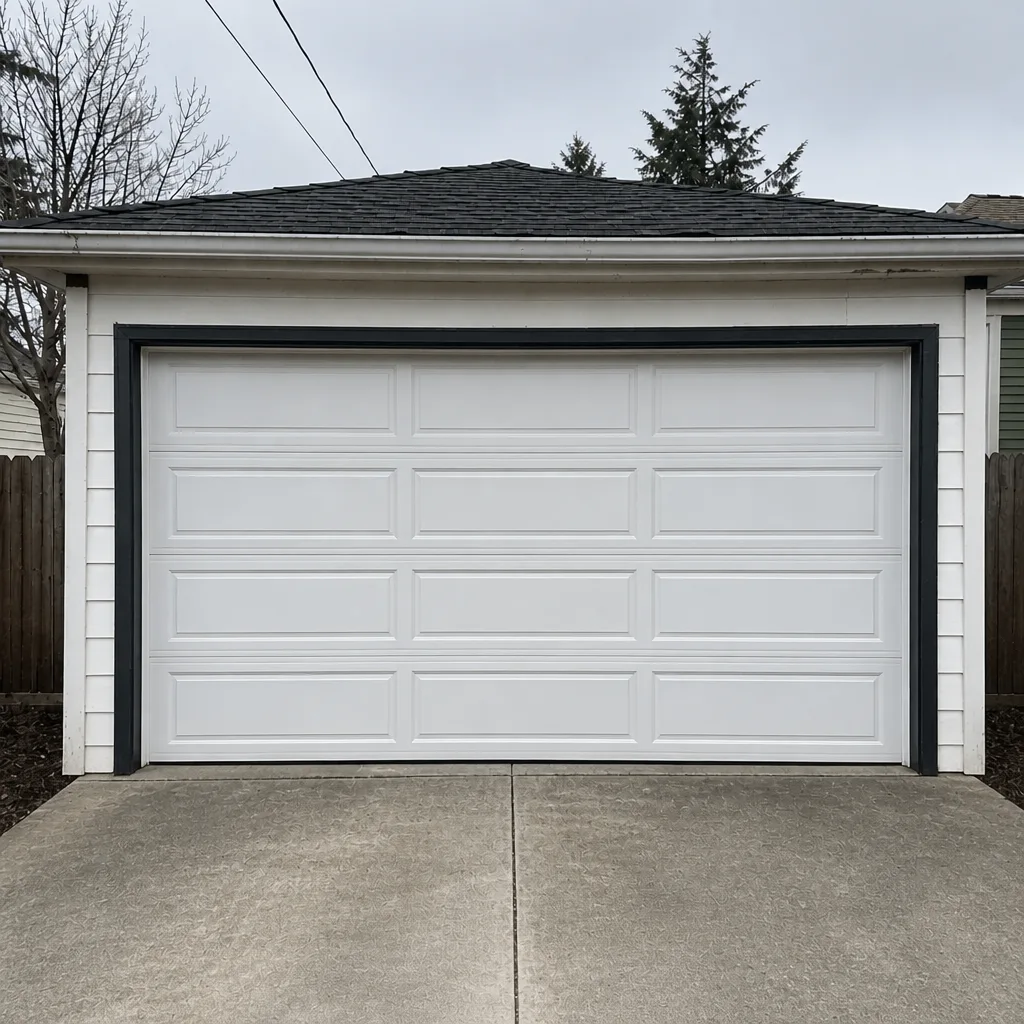 After
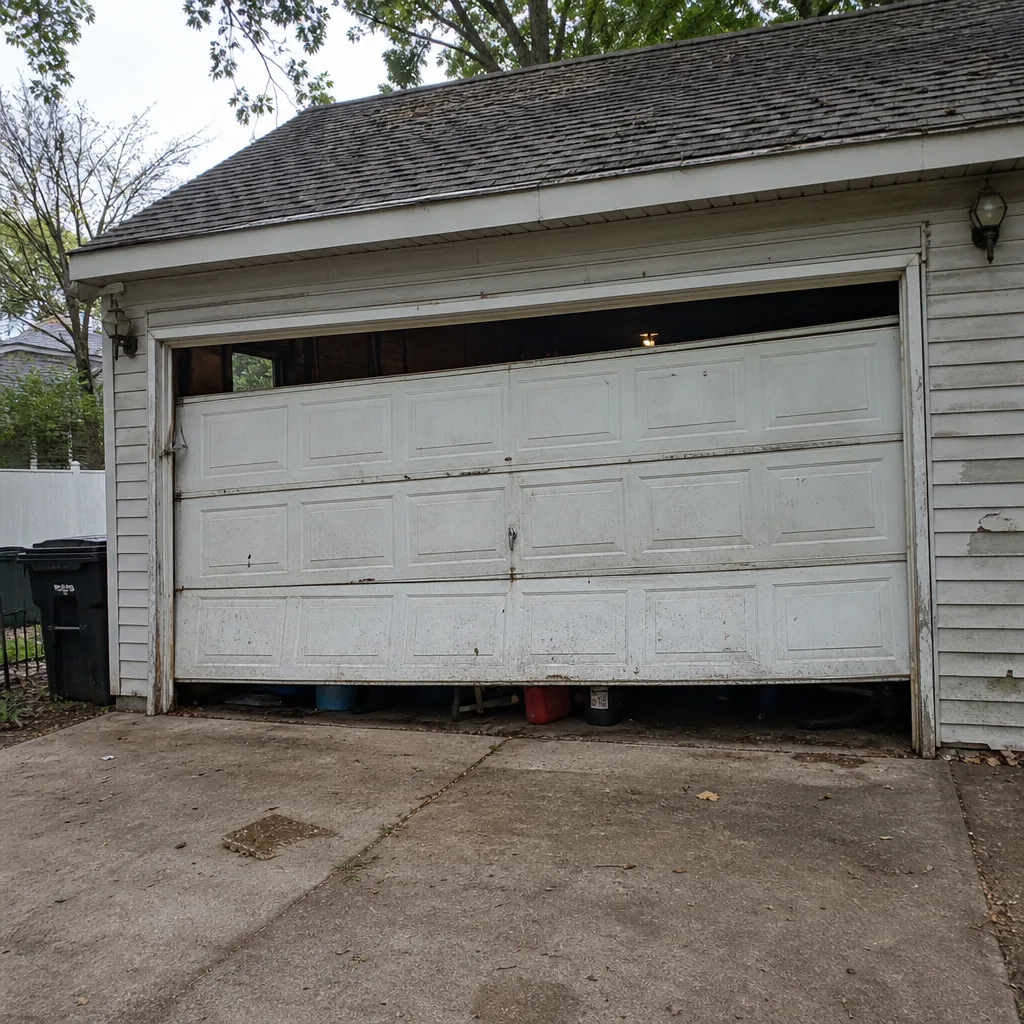 Before
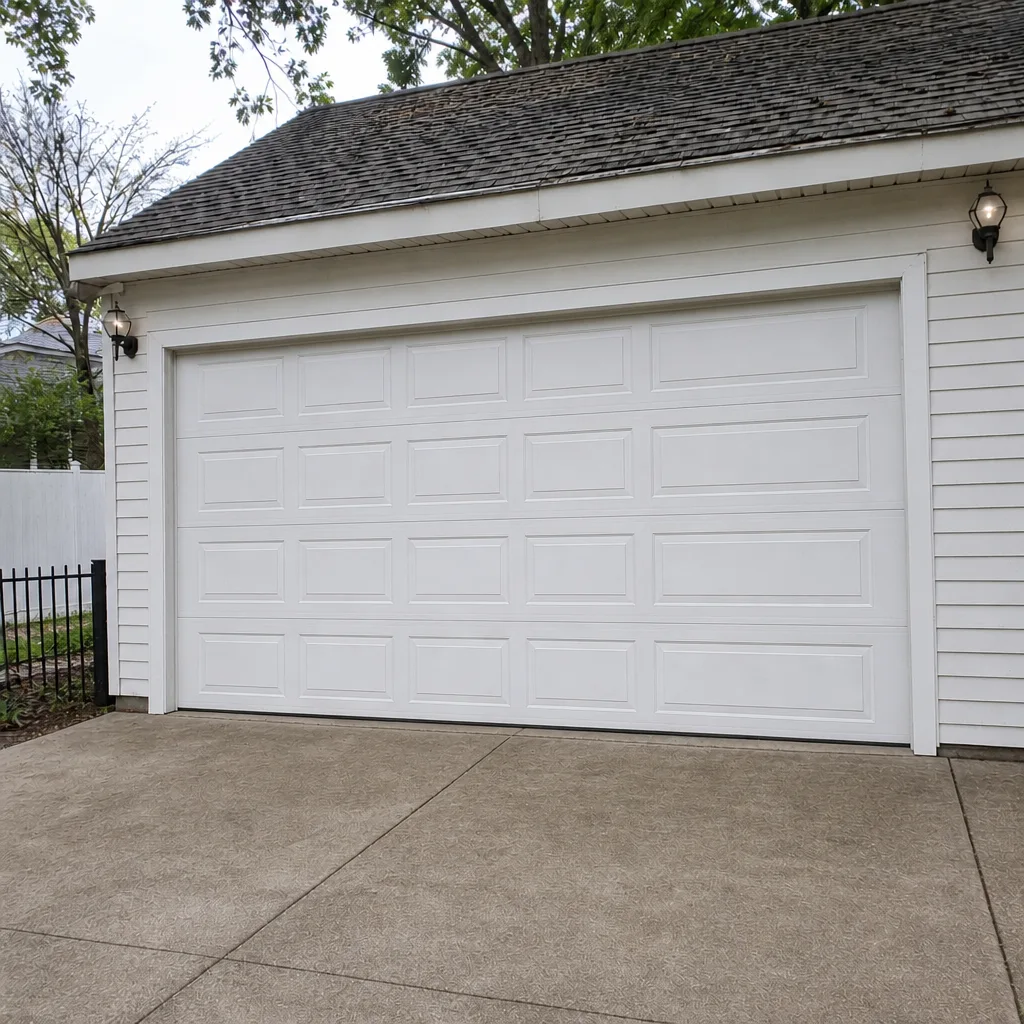 After
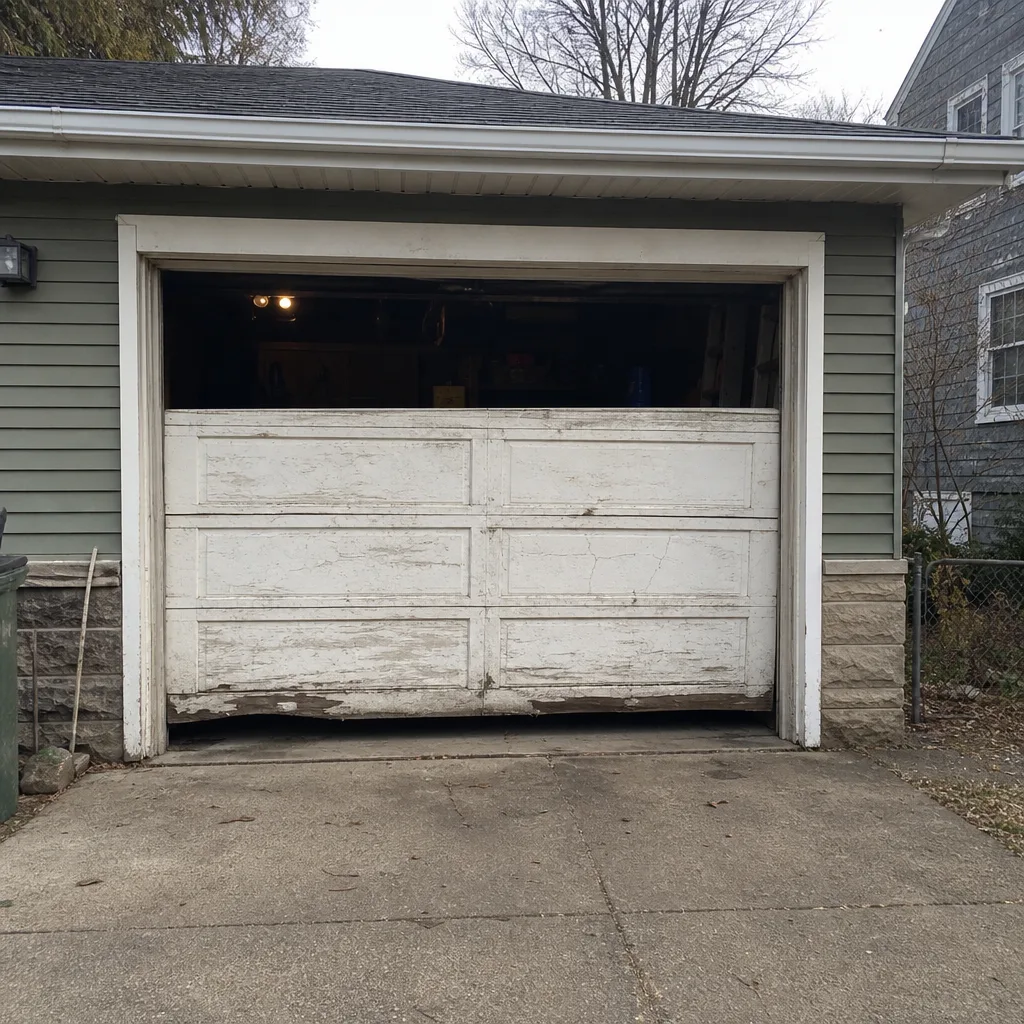 Before
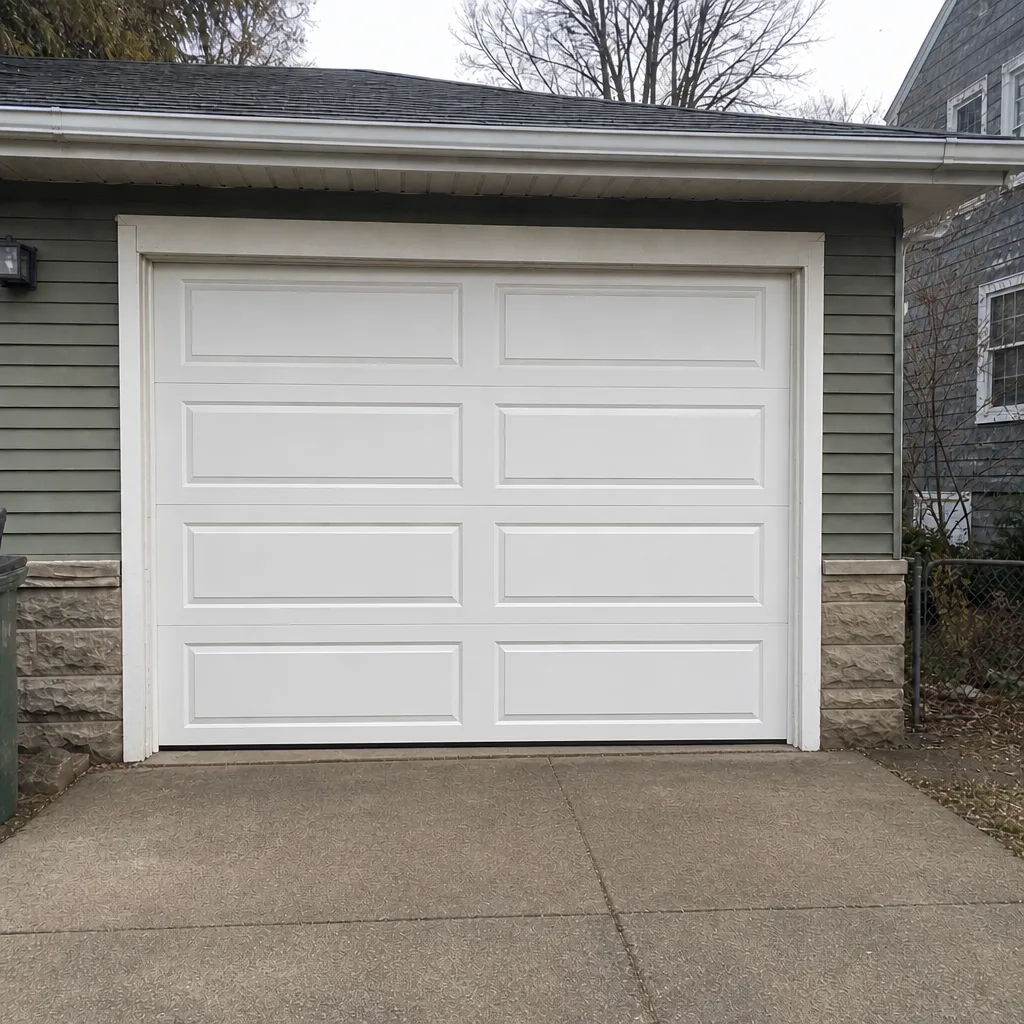 After