
Last updated November 21, 2026
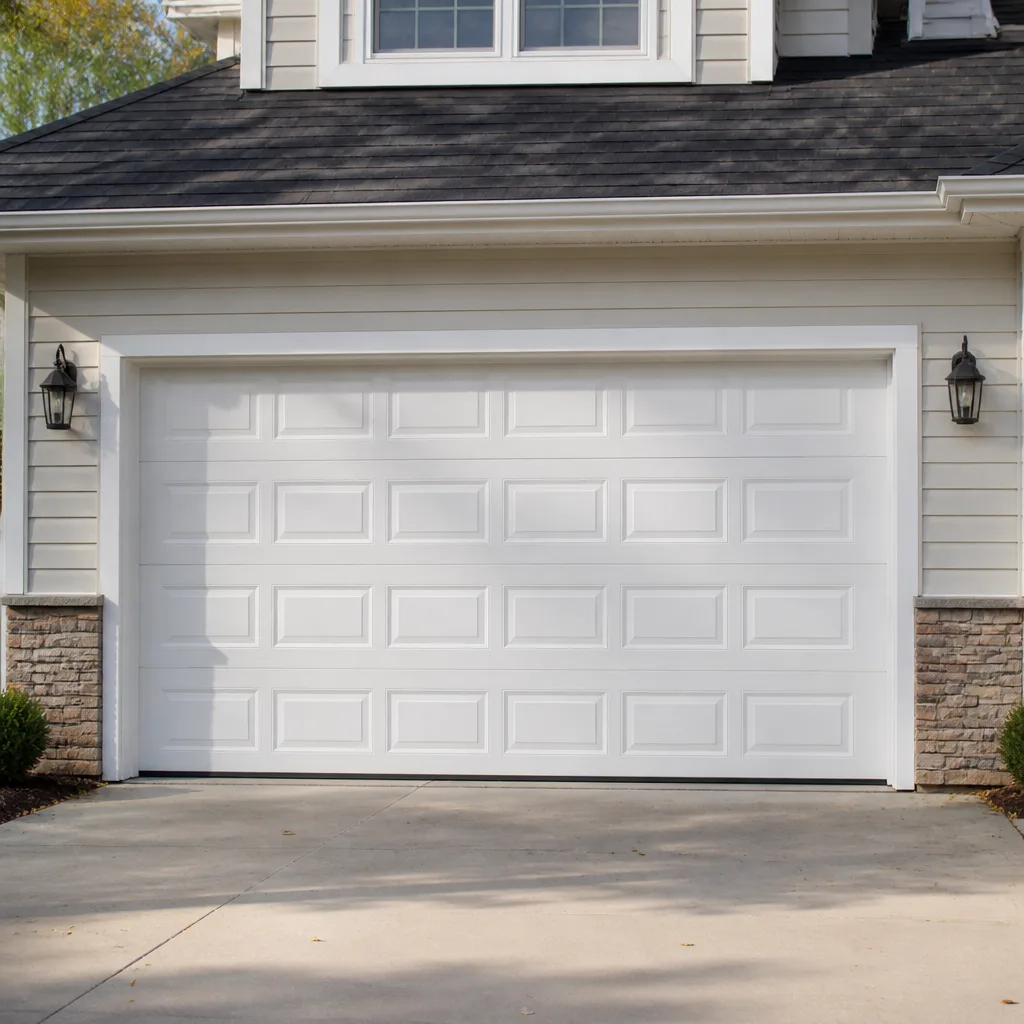 Raised-panel steel
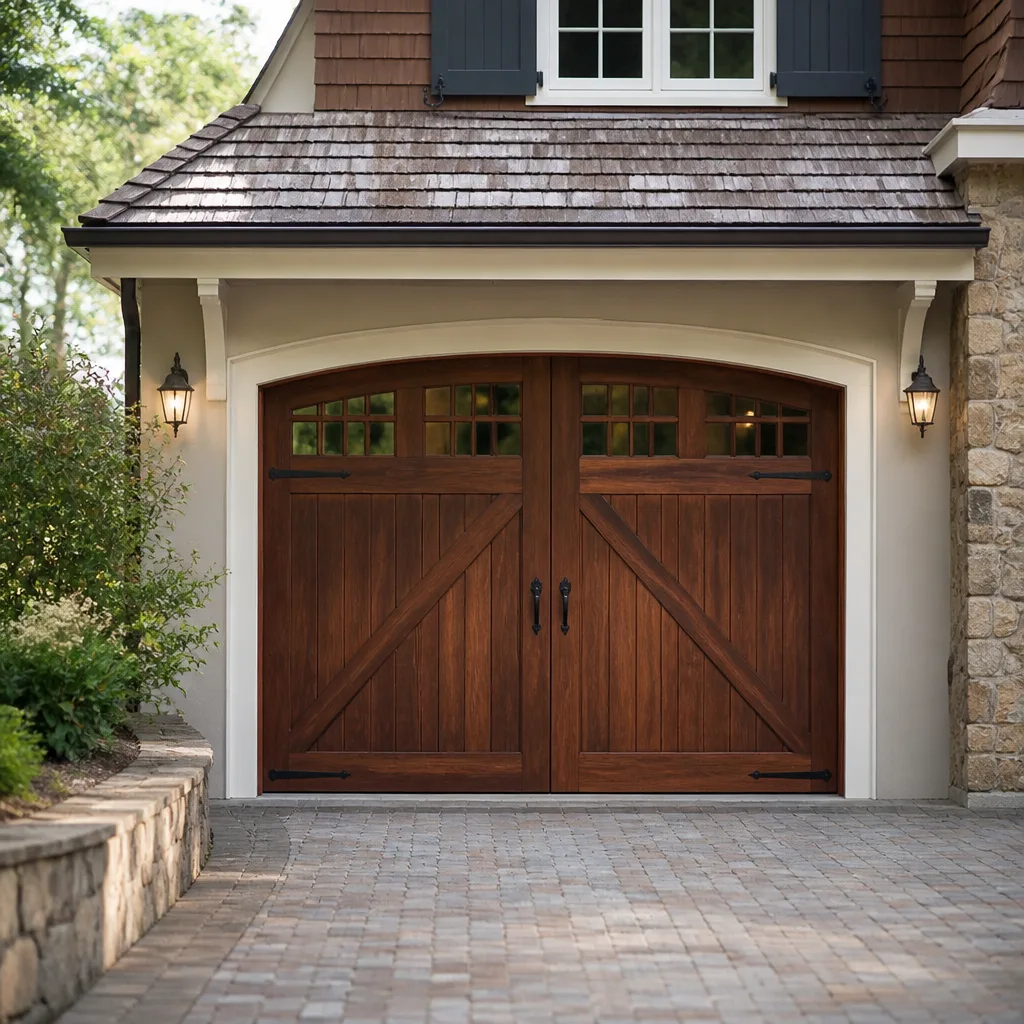 Carriage house
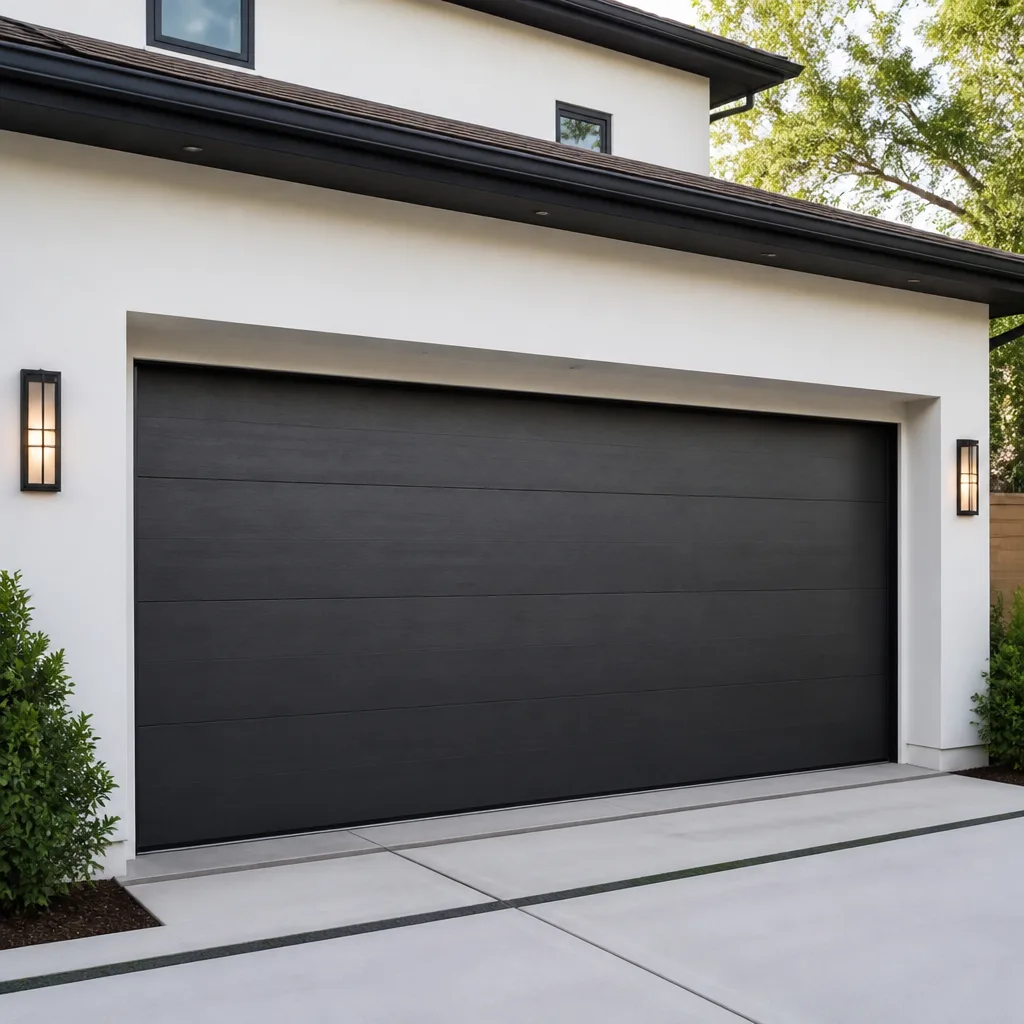 Modern flush
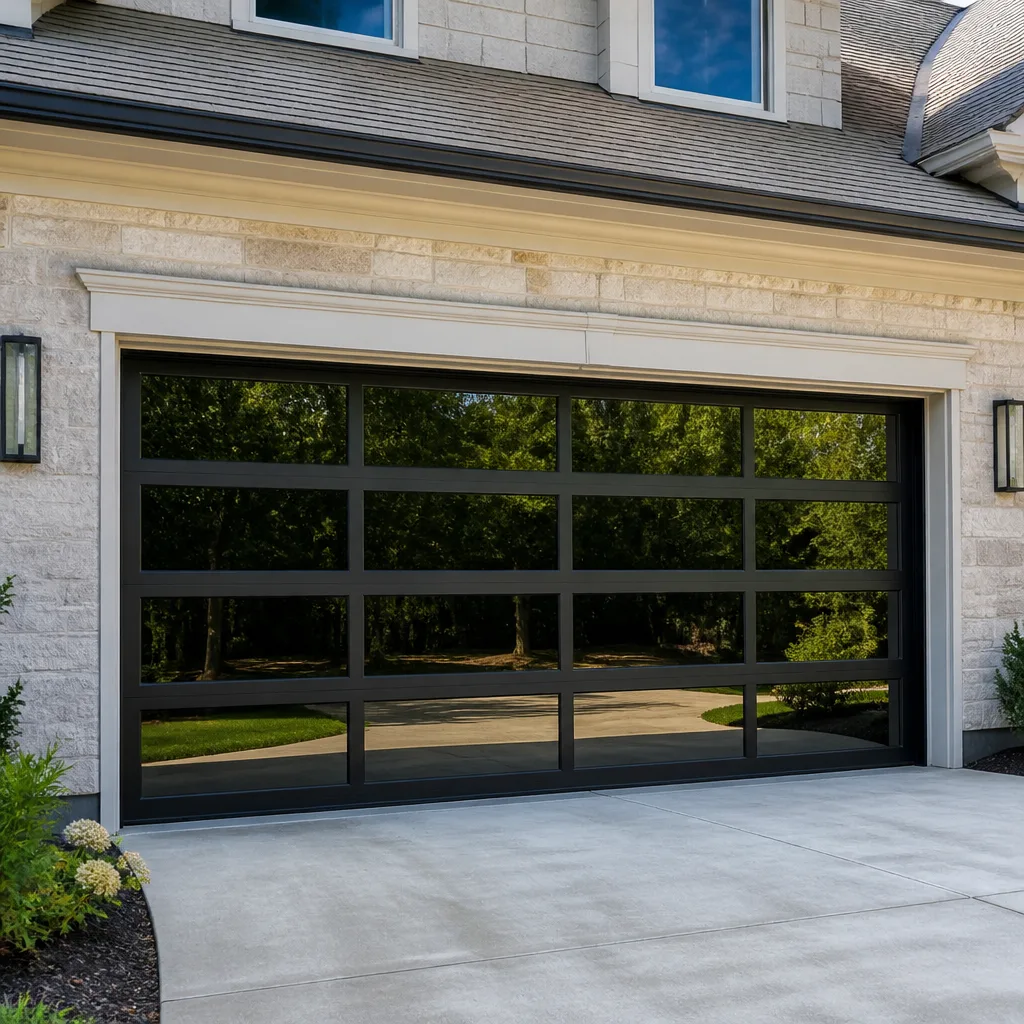 Full-view glass
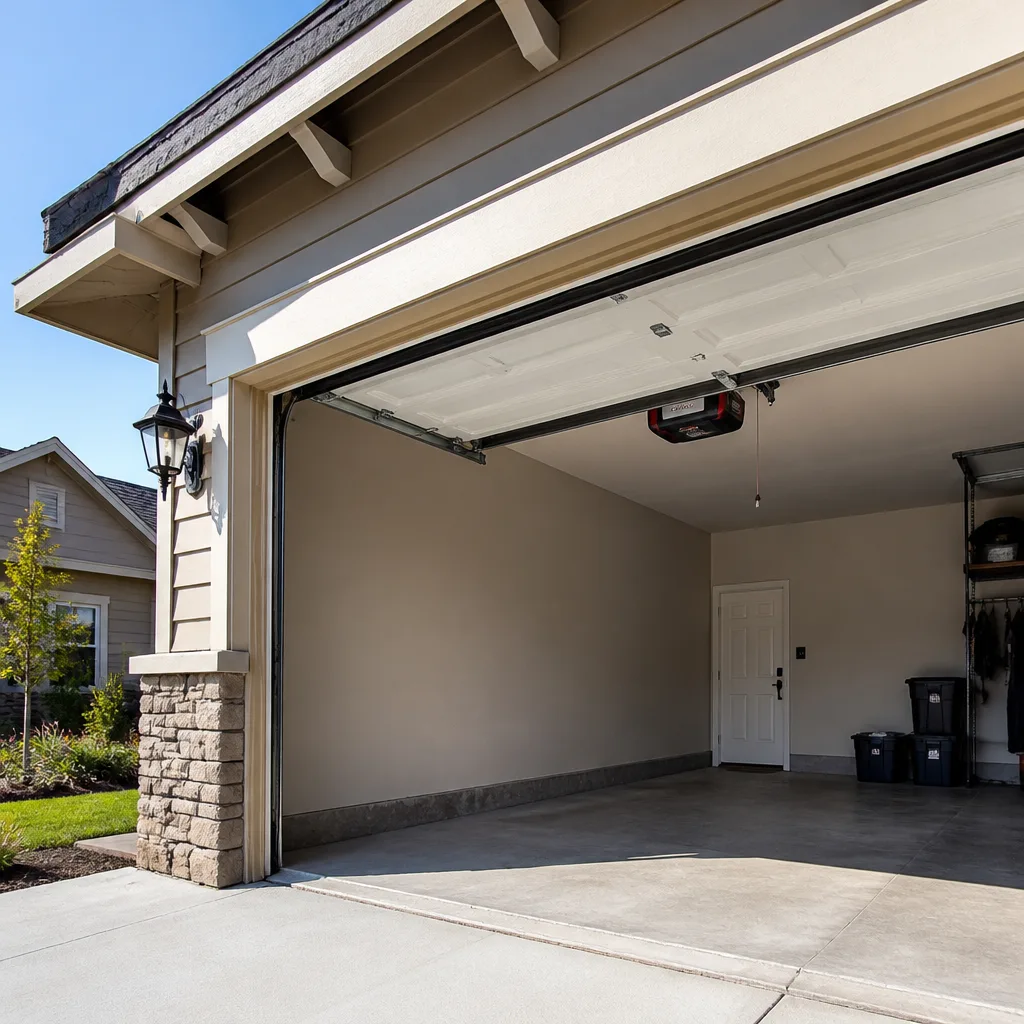 LiftMaster openers
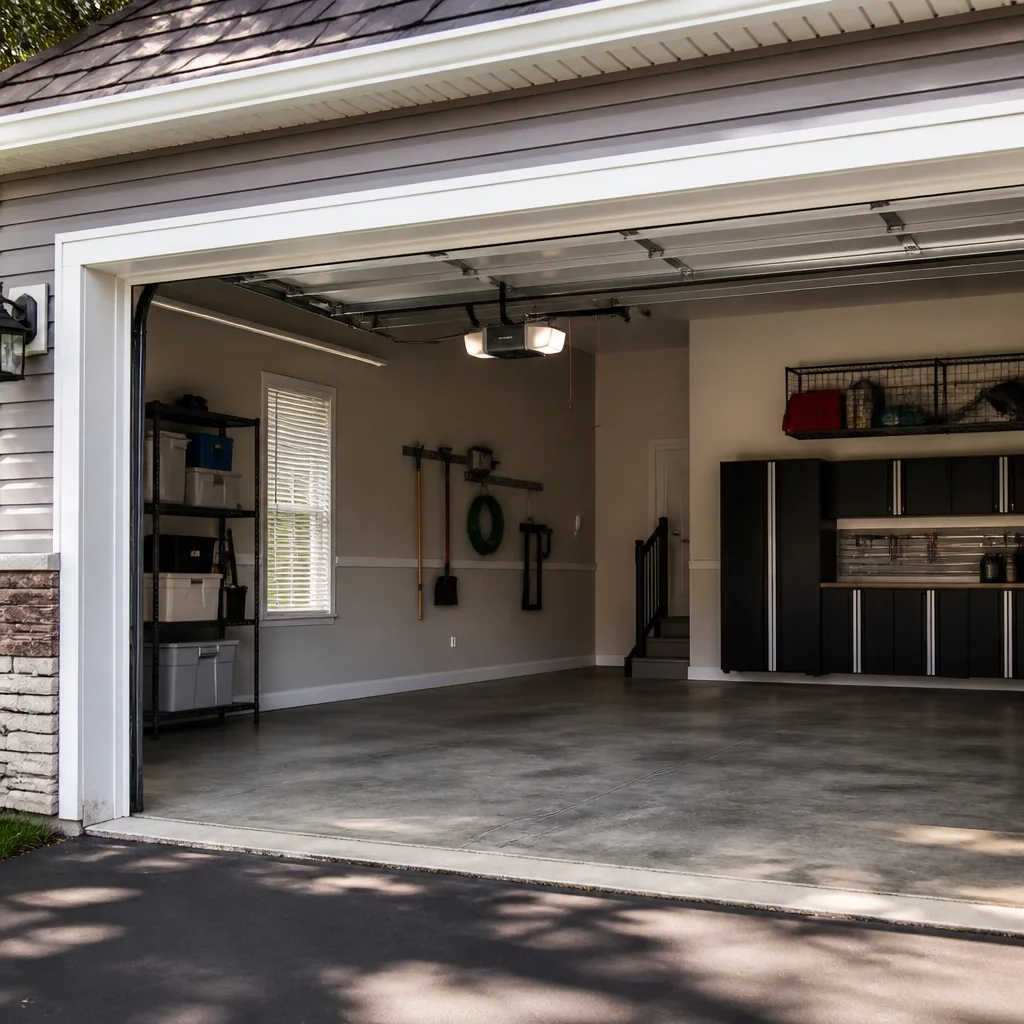 Chamberlain openers
Full 25-point door and opener safety check with every visit - springs, cables, rollers, tracks, and your LiftMaster or Chamberlain opener included
You get a price before we start. It does not change when the pro arrives.
Get your free estimateGarage Door Repair Troubleshooting in Northeast Minneapolis: Common Problems and How to Fix Them
The most dangerous mistake a homeowner can make during a garage door failure is pulling the red emergency release cord on a door with a broken spring. That cord disconnects the door from the opener, and with a broken spring the door has no counterweight – a 200-pound panel can drop in under a second. We’ve seen the aftermath of exactly this in Northeast Minneapolis, and it’s the first thing we warn people about when they call. This guide skips the guesswork: every symptom maps to one of five mechanical categories, so you know immediately whether a fix is safe to attempt or needs a specialist.
Quick Answer
Most garage door problems in Northeast Minneapolis fall into five categories: spring or cable failure, track misalignment, opener logic or sensitivity faults, remote and sensor issues, or simple mechanical wear. A door that won’t move at all usually points to a broken torsion spring or a dead opener; a door that moves partway suggests bad travel limits or obstruction sensors. Run the manual balance test before calling anyone – it takes two minutes and tells you whether the door’s spring system has failed or the opener is the culprit.
Styles & brands we work with
- Raised-panel steel
- Carriage house
- Modern flush
- Full-view glass
- LiftMaster openers
- Chamberlain openers
Table of Contents
- The Five Categories of Garage Door Problems
- The Manual Balance Test: Run This Before You Call Anyone
- Door Won’t Move At All: What to Check
- Door Moves Partially or Reverses: The Most Common Cause
- Door Moves But Makes Noise: What the Sound Tells You
- Opener Runs But Door Stays Put
- Brand-Specific Quirks: Your Opener Speaks a Specific Language
- DIY-Safe Adjustments vs. Call-a-Technician Repairs
- How Northeast Minneapolis Winters Accelerate Garage Door Failure
The Five Categories of Garage Door Problems
Every garage door failure traces back to one of five systems. Knowing which system is failing narrows your next step quickly. We’ve seen homeowners waste hours on the wrong part simply because they misread the symptom. Here are the five categories, tested against what Northeast Minneapolis homeowners describe when they call.
1. Spring and cable failure. The torsion spring or extension springs carry the door’s weight. When one snaps, the door becomes extremely heavy or won’t move at all. Cables under tension are equally dangerous.
2. Track and hardware misalignment. Tracks bend, brackets loosen, rollers wear, and the door binds. Frost heave from winter ground movement shifts concrete and can knock tracks out of alignment.
3. Opener logic and sensitivity faults. Travel limits drift, force settings are set too tight or too loose, and the opener stops or reverses. This is a control problem, not a door problem.
4. Sensor and remote communication issues. Photo-eye sensors get knocked out of alignment, remotes need reprogramming, and wall switches lose connection to the opener.
5. Mechanical wear. Worn rollers, dry hinges, and a door that has simply aged. These are the slow failures that announce themselves through sound.
Pinning your symptom to one of these five categories is the fastest path to a fix. If the door is heavy or won’t hold its position halfway up, it’s category one, and that’s a call-a-specialist situation.
The Manual Balance Test: Run This Before You Call Anyone
Before you contact anyone for garage door repair, run the manual balance test. It confirms in about two minutes whether the spring system has failed or the opener is at fault – two very different repairs.
- Close the door completely and pull the red emergency release cord.
- Lift the door manually to about halfway. If you can lift it with one hand, the spring may still be functional.
- Let go at the halfway point. A properly balanced door holds its position.
- Interpret the result. A door that slams down, rises on its own, or can’t be lifted at all has a spring problem. A door that holds position but won’t respond to the opener has an opener problem.
One critical warning: only run this test if the door is currently working smoothly enough that the release won’t send it crashing. If you’ve heard a loud bang from the garage and the door is stuck, the spring has likely broken – don’t pull the release. A door with a broken spring has no counterweight, and it will fall hard. That single point is worth more than any troubleshooting chart. If you’re unsure what you’re hearing, call a specialist before touching the cord.
The balance test also gives you useful information to share on the phone. When a technician knows the door is balanced but non-responsive versus unbalanced and heavy, the dispatch is efficient and easier to plan.
Door Won’t Move At All: What to Check
A door that won’t move at all is usually the simplest diagnosis and the most urgent repair. In our experience, it narrows to four causes.
- Broken torsion spring. You’ll often hear a loud bang, find a visible gap in the spring above the door, and the door won’t budge manually. This is the most common cause and it requires spring replacement, not a general repair.
- Dead opener motor. The opener receives power but doesn’t hum at all. Check the wall outlet and the circuit breaker before assuming the motor is gone.
- Tripped circuit or blown fuse. A separate circuit often feeds the garage; check the panel first.
- Broken cable or a roller off its track. The door binds against the frame and won’t travel. Don’t force it – cables under tension can whip when they fail.
In Northeast Minneapolis, the dead-opener scenario is common in older garages where the opener is plugged into an outlet sharing a circuit with outdoor lighting or a workshop. A quick check of the breaker costs nothing and occasionally saves a service call. When the door is genuinely stuck on a broken spring, though, no amount of electrical troubleshooting will help. The door needs spring replacement done right, and that’s a specialist repair.
If your door failed when you were about to leave and the car is trapped inside, this is exactly what emergency garage door service exists for. You shouldn’t have to wait days for a scheduled appointment when the car is blocked or the home is unsecured.
Door Moves Partially or Reverses: The Most Common Cause
A door that starts down and reverses, or stops partway up, almost always has an obstruction-sensor or travel-limit issue – not a mechanical failure. This is the single most common opener complaint we hear in Northeast Minneapolis.
Start with the photo-eye sensors: two small lenses mounted about six inches off the floor on either side of the door. One sends an infrared beam, the other receives it. If anything blocks the beam, the door reverses immediately as a safety feature.
- Look at the sensor lenses. Are both indicator lights steady (not blinking)?
- Wipe both lenses clean – dust, cobwebs, and condensation all block the beam.
- Check for obstructions: a shovel, a recycling bin, a snowbank in winter.
- If one light blinks, the sensors are misaligned. Loosen the bracket slightly and adjust until both lights are steady.
- Try the door again.
If the sensors are clean and aligned and the door still reverses, the travel limits are likely out of adjustment. Travel limits tell the opener where to stop on the way up and down. They drift over time, and they can be adjusted safely from the opener’s control panel using the manual for your brand. Northeast Minneapolis homeowners who park tightly against the back wall sometimes knock a sensor bracket loose with a bike or a trash can – a two-minute alignment fixes it.
Reversal issues during the cold months deserve special note. A door that closes on a warm day but reverses on a cold one is telling you the opener’s force setting is too tight for the increased resistance of cold grease and a stiffer door. That’s a sensitivity adjustment, and it’s covered in the sensitivity section below.
Door Moves But Makes Noise: What the Sound Tells You
Garage door noise is diagnostic. The sound tells you which component is failing. We listen for the same things on every call in Northeast Minneapolis.
- Squealing or grinding: dry rollers or worn nylon rollers. Lubricating the rollers and hinges is safe and often quiets a door noticeably.
- Rattling: loose bolts and brackets. Check the hinges and the track brackets with a wrench and tighten anything that moves by hand.
- Popping or banging when the door opens: a torsion spring under stress, or a cable that’s slipping. This is a stop-and-call warning.
- A rhythmic thumping: a bent track or a worn roller. The door still works, but it’s bending hardware further every cycle.
- Scraping along one side: the door is off track. Stop operating it – forcing it wears the panels and the opener.
What most homeowners don’t realize is that the noise matters most in the direction of the diagnosis. A door that squeaks is telling you it needs lubrication soon. A door that pops is telling you something is about to fail. That distinction is why we ask customers to describe the sound before we arrive. It also matters for brand familiarity: on a Wayne Dalton door with a torque-master style tube, the roller noise and adjustment points are different from a standard torsion setup, and knowing the brand shortens the repair.
Simple lubrication is genuinely DIY-safe. White lithium grease on the rollers and hinges, and a proper garage door lubricant on the spring (not WD-40), handles most squeaks. If the noise continues after lubrication, the problem is mechanical wear or misalignment, and that’s a technician repair.
Opener Runs But Door Stays Put
When the opener motor runs but the door doesn’t move, the problem is in the connection between the opener and the door, not in either one alone. There are three usual suspects.
- The emergency release was left disengaged. If the red cord is hanging loose or the trolley is separated from the carriage, the opener runs free while the door stays put. Re-engage the trolley by following the opener’s manual.
- A broken drive belt, chain, or screw. The motor turns but nothing transmits motion. Newer belt-drive openers are quiet enough that a snapped belt isn’t always obvious – check by opening the motor housing cover only if your manual says it’s accessible.
- A stripped drive gear. More common on older units. This is a repair or replacement decision, and the brand matters – a LiftMaster unit ages differently from a Chamberlain unit in the same garage.
There’s also a fourth possibility specific to Northeast Minneapolis homes: a broken torsion spring can allow the opener to run while the door stays fully down. If the opener hums and the door doesn’t move, run the visual spring check. A visible gap in the spring, or a door that’s suddenly very heavy, means the door needs spring work and the opener is probably fine. Don’t let a shop sell you a new opener for a spring failure.
Our garage door opener repair service exists precisely for the cases where the motor is turning and the door isn’t moving. Diagnosing this without seeing the unit often wastes a homeowner’s day. We’re factory-familiar with LiftMaster, Chamberlain, Genie, Clopay, Amarr, Wayne Dalton, Craftsman, and Raynor, which means the technician isn’t learning your opener on the spot – they’re recognizing it.
Brand-Specific Quirks: Your Opener Speaks a Specific Language
Here’s the part of troubleshooting most homeowners waste time on: openers from different brands communicate faults differently. A LiftMaster with a flashing LED code is telling you something specific, but those codes aren’t the same as a Chamberlain’s pattern. Chamberlain units commonly use a diagnostic LED blinking a set number of times with a pause between sequences, and the count and pause mean different things than on a Genie. Genie units often use a separate set of fault codes entirely. If you search for “opener blinking code” without knowing your brand, you’ll get the wrong answer and troubleshoot in the wrong direction.
The remedy is simple. Find the model number on the opener’s back panel or under the light cover, then pull the manual – nearly all are available online by model. Every modern opener has a fault table that tells you exactly what its blink pattern or error code means.
Brand also determines adjustment conventions. A Craftsman opener’s travel limits are set with a screwdriver on the back panel; a Raynor opener may have its limits in a different housing. And on the door itself, a Wayne Dalton door with its proprietary hardware adjusts differently from a standard Amarr or Clopay steel door. Knowing the brand means a repair technician doesn’t have to guess at parts or settings, which is why we work on the brand you already have.
One practical tip: photograph your opener’s brand plate and your door’s hinges before you call anyone. That information makes the call shorter and the technician’s van a better match for your system.
DIY-Safe Adjustments vs. Call-a-Technician Repairs
Not all garage door fixes are created equal. Some are genuinely safe and simple. Others carry real injury risk and should be handled by a specialist. Here’s the honest breakdown.
Safe to do yourself
- Photo-eye alignment. Loosen the bracket and adjust until the indicator lights are steady.
- Travel limit adjustments. Using the manual for your model, adjust where the door stops up and down.
- Sensitivity adjustments. Set the force so the door reverses appropriately on contact without being too loose.
- Lubrication. Rollers, hinges, and the tracks (not the spring, unless using a spring-specific lubricant).
- Remote reprogramming. Follow the manual to sync remotes to the opener.
- Tightening bolts and brackets. A wrench and five minutes handles most rattles.
Call a technician
- Torsion spring replacement or adjustment. These springs are under extreme tension. Releasing that tension incorrectly can cause serious injury, and there’s no safe shortcut around this.
- Cable repair. Cables are under constant tension and can whip when released. Never cut or adjust a cable.
- Track realignment after a crash or a hard frost heave. Bending a track requires support that prevents sudden load release.
- Panel replacement or structural damage. A bent panel changes the door’s balance and load.
- Opener gear or motor replacement. Internal component failure means opening the unit, and the fault diagnosis belongs with the repair.
The line between safe and unsafe falls exactly where stored energy lives. Springs and cables hold the door’s weight; everything else is logic, alignment, and wear. If your diagnosis points at a spring, stop. Spring replacement done right is a specialist job, and it’s one we handle as a dedicated service. For the rest, start with the safe list. If it doesn’t fix the problem, that’s information too. Our team at Garage Door Repair Northeast Minneapolis handles every level of this work, from a two-minute adjustment to a full spring repair.
How Northeast Minneapolis Winters Accelerate Garage Door Failure
Northeast Minneapolis winters stress a garage door in ways that homeowners in other climates never see. Three effects are specific and predictable.
Grease thickens below 20°F, and the opener strains. Standard lubricants stiffen in cold weather, so the door’s rollers and hinges resist movement more. The opener compensates by drawing more force, and if the force setting is tight, the door reverses or the motor strains. This is why a door that works all summer suddenly reverses in January. The fix is a cold-weather-appropriate lubricant and a sensitivity check before the first hard freeze.
Frost heave shifts the slab and throws tracks out of alignment. Northeast Minneapolis gets repeated freeze-thaw cycles. Ground movement pushes the concrete slab under the tracks, and the door starts binding or scraping. A door that was perfectly aligned in November can scrape on one side by December. This shows up as a rhythmic noise or a door that stops partway.
Cold makes springs more brittle. The metal springs on your door lose flexibility at low temperatures, so an already-weakened spring is more likely to break in winter. It’s worth a visual check of the spring before and after the worst cold, particularly on older torsion spring setups.
One additional local factor: Northeast Minneapolis has a mix of older garages with aging doors and newer additions with modern insulated doors. The older wooden doors are more susceptible to swelling and warping at the seams in a cold wet winter, while the newer steel doors need regular cold-weather lubrication to stay quiet. If your door struggles every winter, a pre-season tune-up in fall catches most of these issues before they leave you stuck. And if you’re replacing a door that struggles year after year, garage door installation with a properly insulated door is worth considering for the climate alone.
Common Mistakes to Avoid
- Pulling the emergency release on a door with a broken spring. The door has no counterweight and can drop immediately. If you hear a bang and the door is stuck, leave the cord alone and call a specialist.
- Trying to adjust a torsion spring yourself. The tension is lethal if released wrong. This is the one repair we never recommend for a homeowner, no matter their handiness.
- Forcing a door that’s off track. Every cycle bends more hardware. If the door scrapes or binds, stop operating it until the alignment is fixed.
- Replacing the opener when the spring is the problem. An opener that runs without moving the door is often a spring failure, not a motor failure. Diagnose before you buy.
- Ignoring a cold-weather reversal issue. A door that reverses in winter is usually a force-setting problem. Adjusting before the freeze prevents a mid-winter breakdown.
- Using the wrong lubricant on the spring. Standard spray lubricant attracts dirt and doesn’t protect the spring. Use a spring-specific lubricant, and don’t use WD-40.
- Assuming all blinker codes are the same. A Chamberlain code and a LiftMaster code mean different things. Always check the manual for your exact model.
See the difference
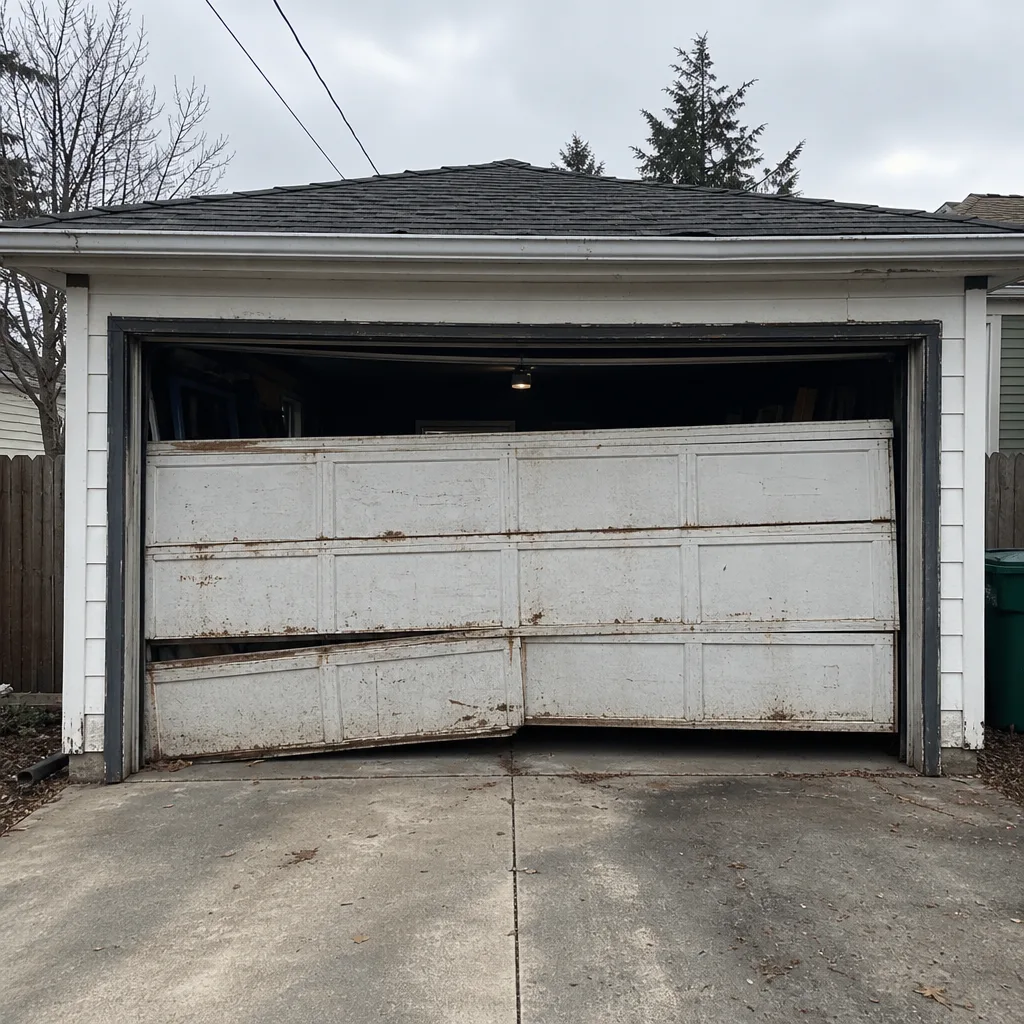 Before
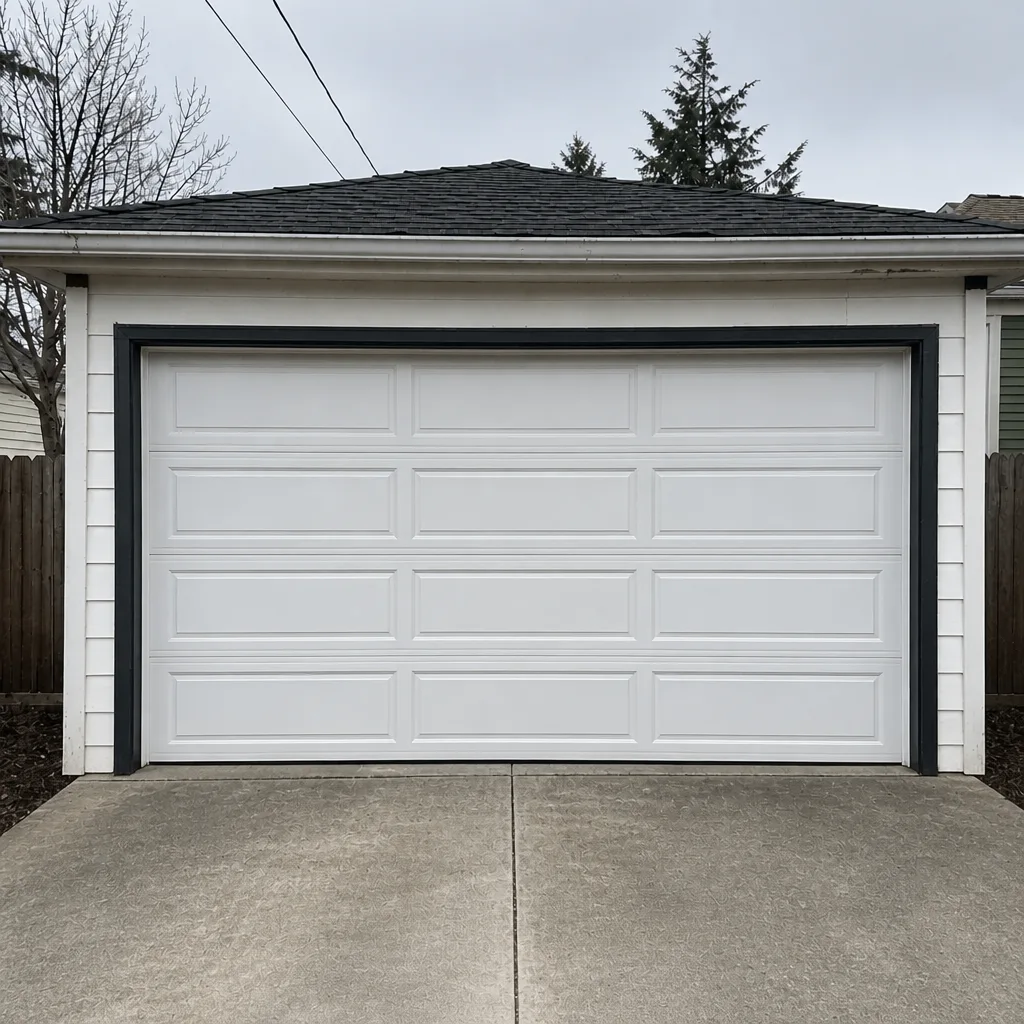 After
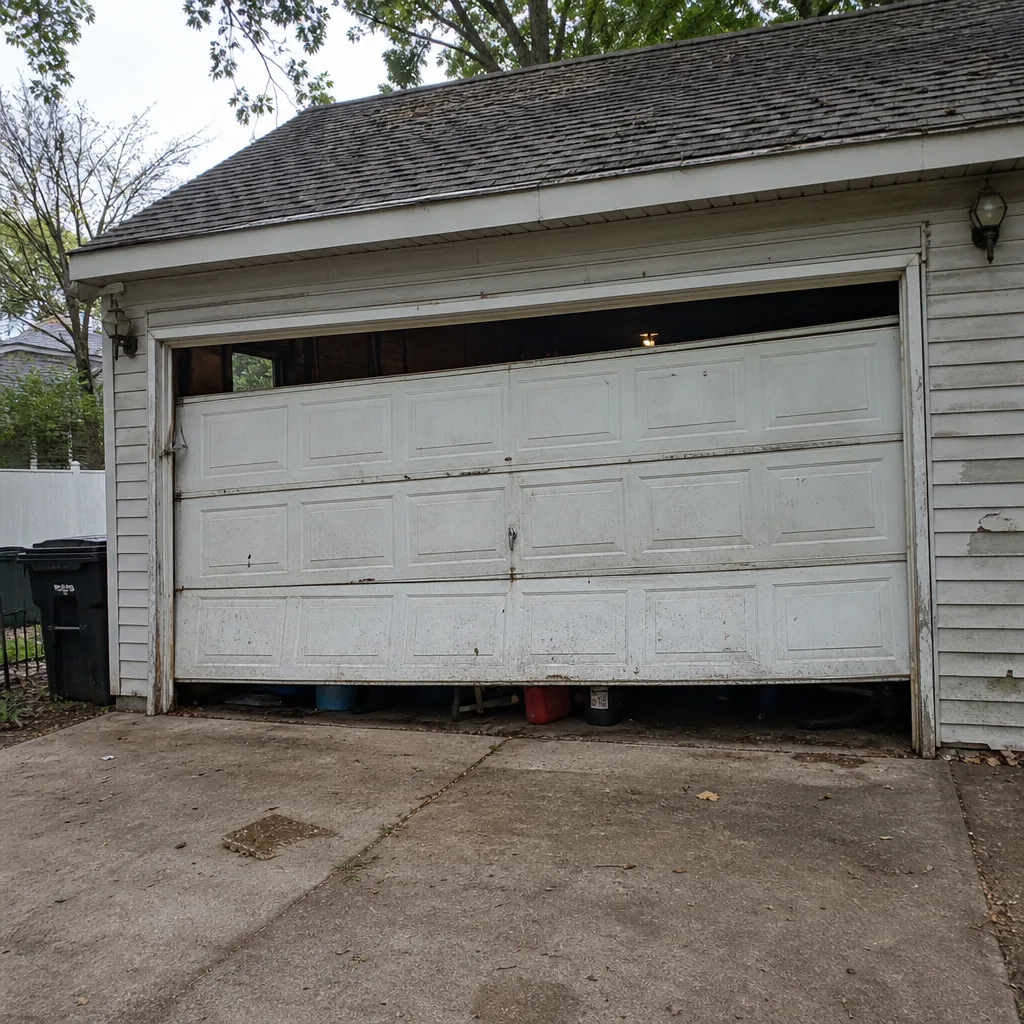 Before
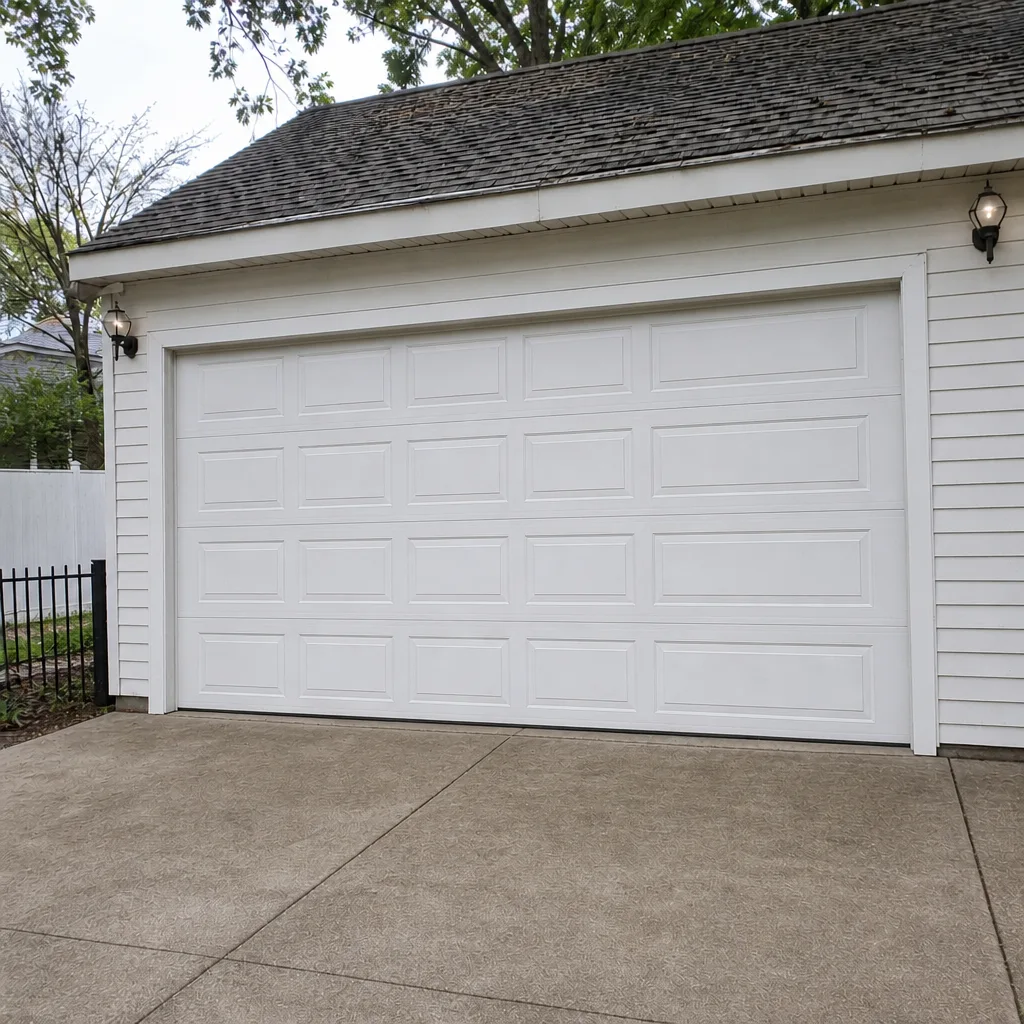 After
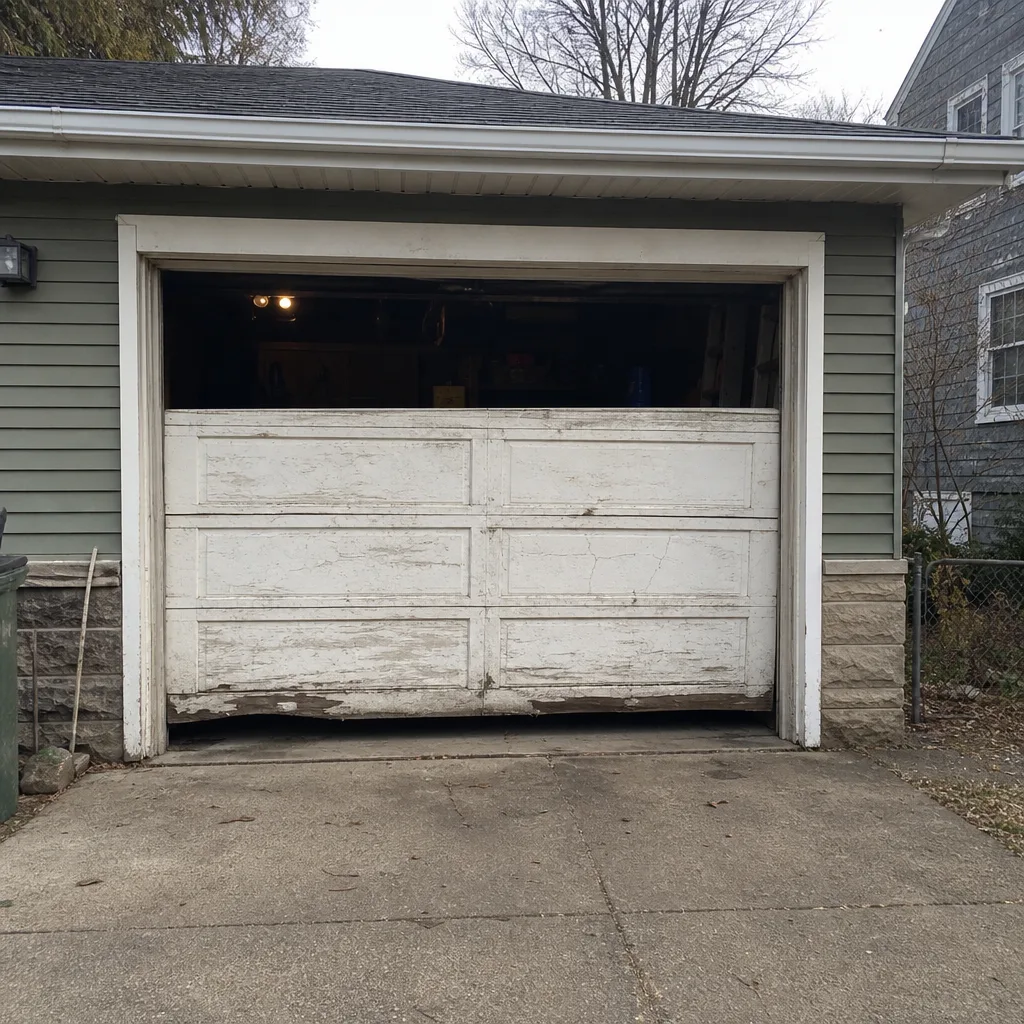 Before
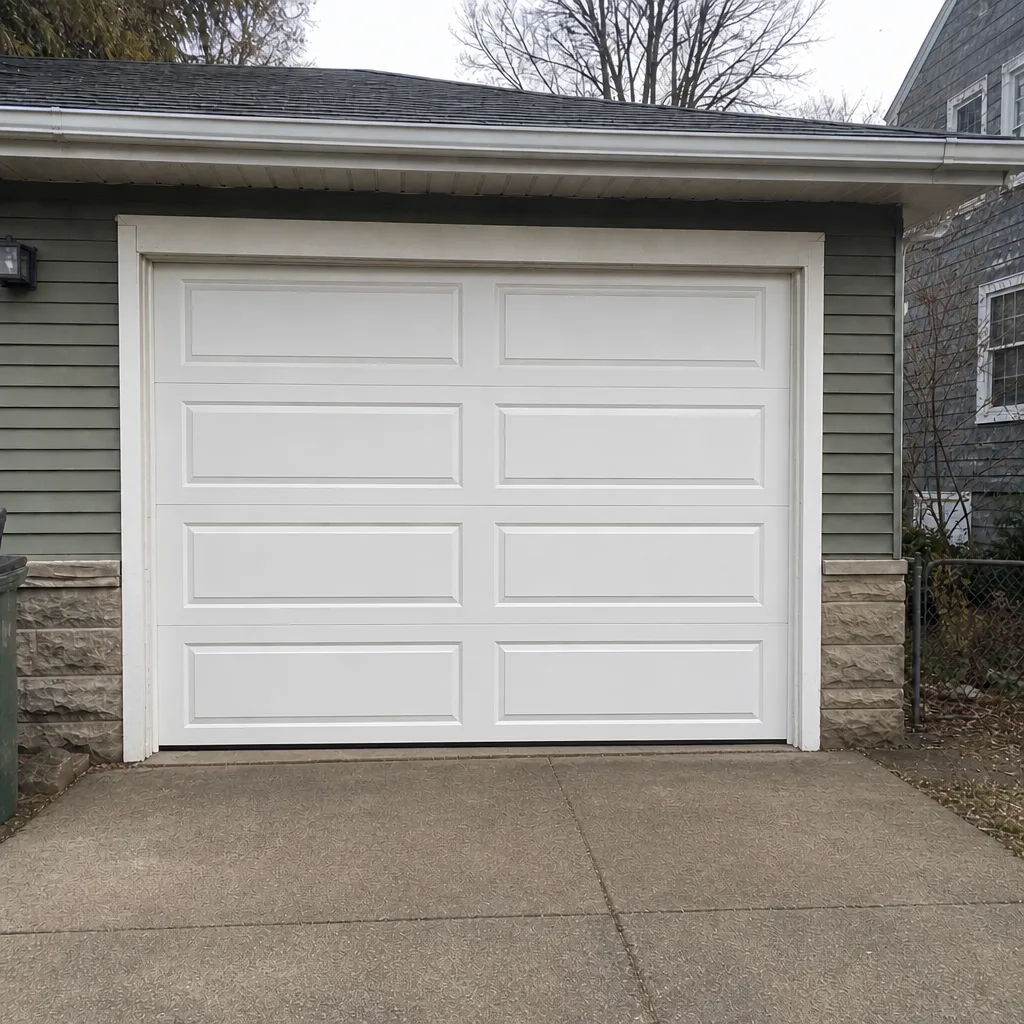 After
When to Call a Professional
Call a professional the moment your diagnosis points to a spring or cable, when the door is off track, and when the car is trapped or the home is unsecured. In our experience these are the cases that escalate fastest if handled wrong. Call us if the door is heavy to lift, if you heard a bang, if a cable is visibly damaged, or if the opener runs but the door stays put after a spring check. Garage Door Repair Northeast Minneapolis offers free estimates in Northeast Minneapolis – call (844) 888-9545. Our technicians have up to 12 years of experience, we’re certified to service LiftMaster, Chamberlain, Genie, Clopay, Amarr, Wayne Dalton, Craftsman, and Raynor, and we handle spring work as a dedicated service.
We answer 24/7. Fast dispatch from 7am to 7pm, Sunday through Friday. A call outside dispatch hours is booked into the next opening. Evening emergencies don’t mean a voicemail – they mean a scheduled arrival when dispatch is open.
Frequently Asked Questions
You’ll usually hear a loud bang from the garage and find the door won’t lift, with a visible gap in the spring above the door. If the door is too heavy to lift by hand, the spring has failed. Don’t pull the red release cord – a door with a broken spring can drop 200 pounds in under a second. Call (844) 888-9545 for an exact estimate on spring replacement; estimates are free.
You can safely handle photo-eye alignment, travel limits, sensitivity settings, remote programming, lubrication, and tightening loose bolts. Anything involving torsion springs, tension cables, track realignment, or opener internals carries real injury risk and should be handled by a technician. If your fix is on the safe list, start there; if it’s not, that’s what a specialist is for.
Cold thickens the grease in your rollers and hinges, which increases resistance, and the opener’s force setting may be too tight for that added load. Adjust the sensitivity setting and switch to a cold-weather-friendly lubricant. Frost heave can also shift tracks out of alignment in Northeast Minneapolis, so check the track line as well.
Different diagnostic patterns entirely. LiftMaster units use specific blinking LED codes with defined meanings, while Chamberlain units blink a set number of times with a pause that indicates the fault. A Genie unit uses a different system again. Always pull the manual for your exact model before troubleshooting a pattern – guessing at the code wastes time.
Same-day service is common for repair and emergency calls, including for a broken spring or a door that won’t move. Call (844) 888-9545. We answer 24/7. Fast dispatch from 7am to 7pm, Sunday through Friday – a call outside dispatch hours is booked into the next opening.
No. The written estimate is the price, and we quote and agree on it before any work starts. If the diagnosis changes on-site, you’ll know before we do anything, and nothing happens without your approval. Parts and labor are included in the written estimate, and the final bill matches it.
The Bottom Line
Every garage door problem fits into one of five categories: springs and cables, track alignment, opener logic, sensor and remote issues, or mechanical wear. The manual balance test tells you which half of that line you’re on in about two minutes. Safe fixes include travel limits, sensitivity, photo-eye alignment, lubrication, and tightening bolts. Springs, cables, tracks, and opener internals belong with a specialist, especially in Northeast Minneapolis where winter cold and frost heave make those failures more frequent. When the diagnosis points at a spring or a cable, stop and call. We’re a garage door specialist, not a generalist, and we’re familiar with the brand you already have.
Call Garage Door Repair Northeast Minneapolis at (844) 888-9545 for a free estimate. We answer 24/7. Fast dispatch from 7am to 7pm, Sunday through Friday. Whether the door won’t move at all or you just want a pre-winter tune-up, we’ll get you back up and running.
Written by the team at Garage Door Repair Northeast Minneapolis.