
Last updated November 21, 2026
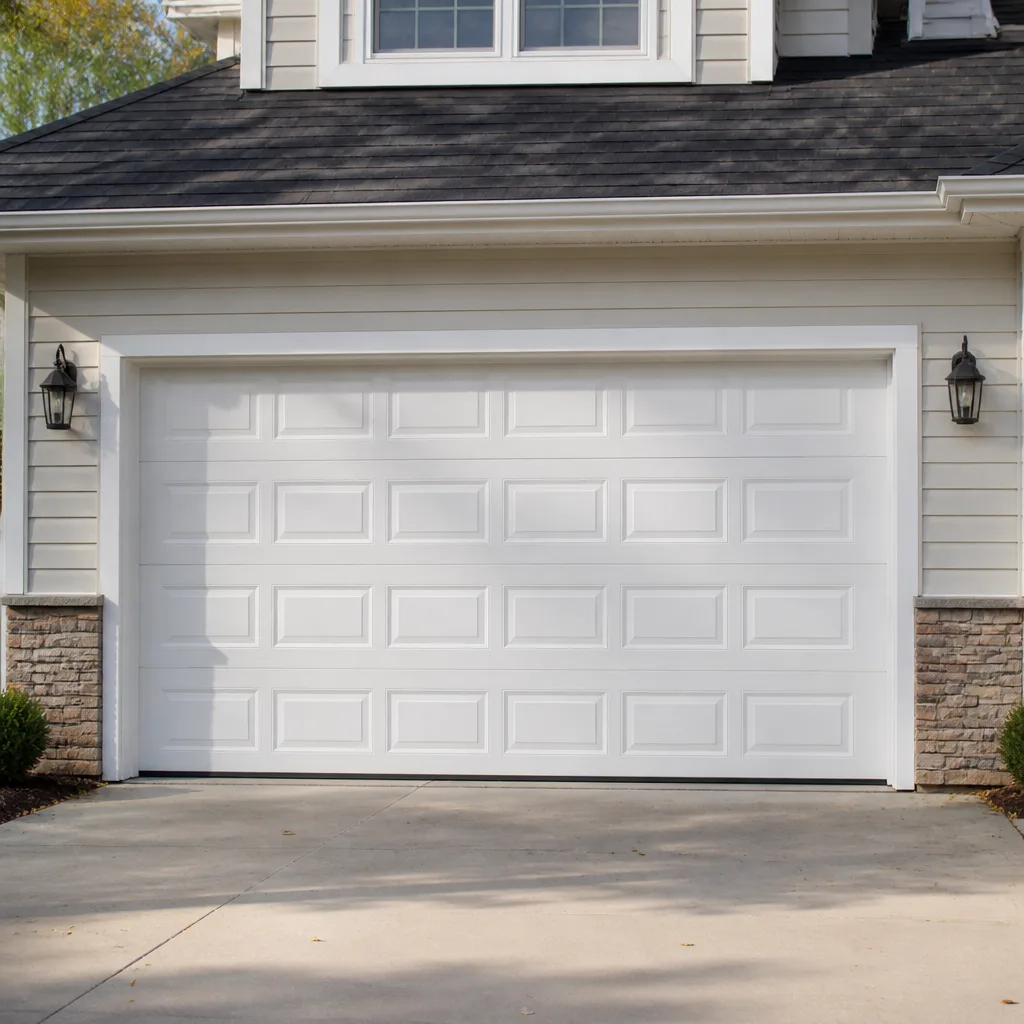 Raised-panel steel
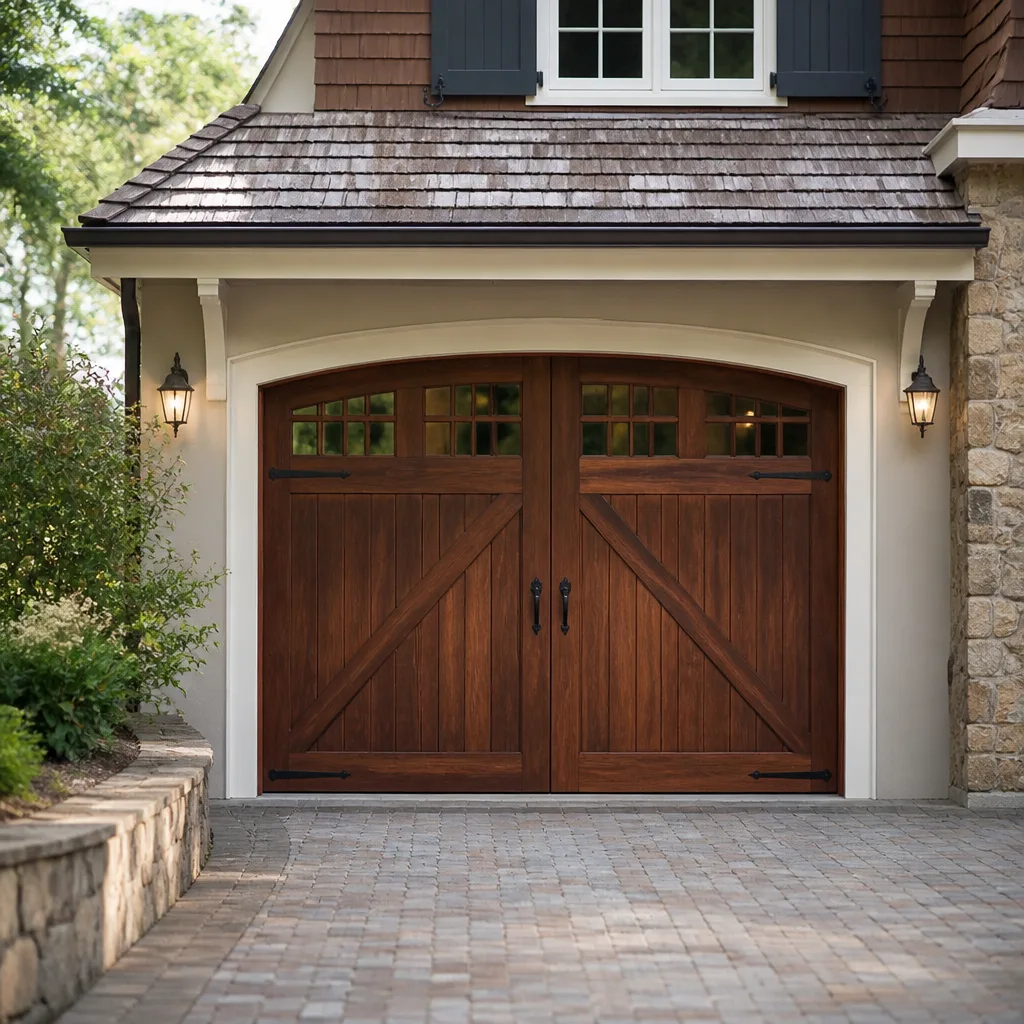 Carriage house
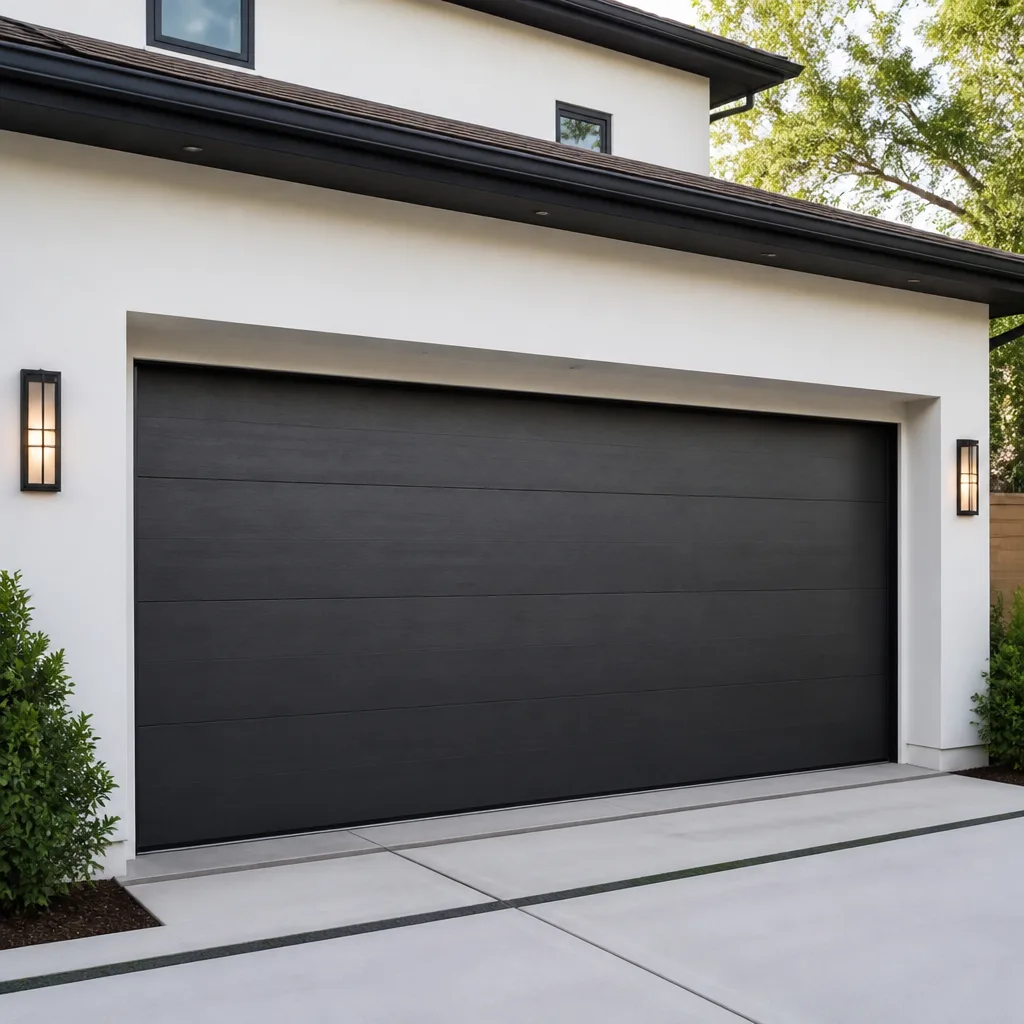 Modern flush
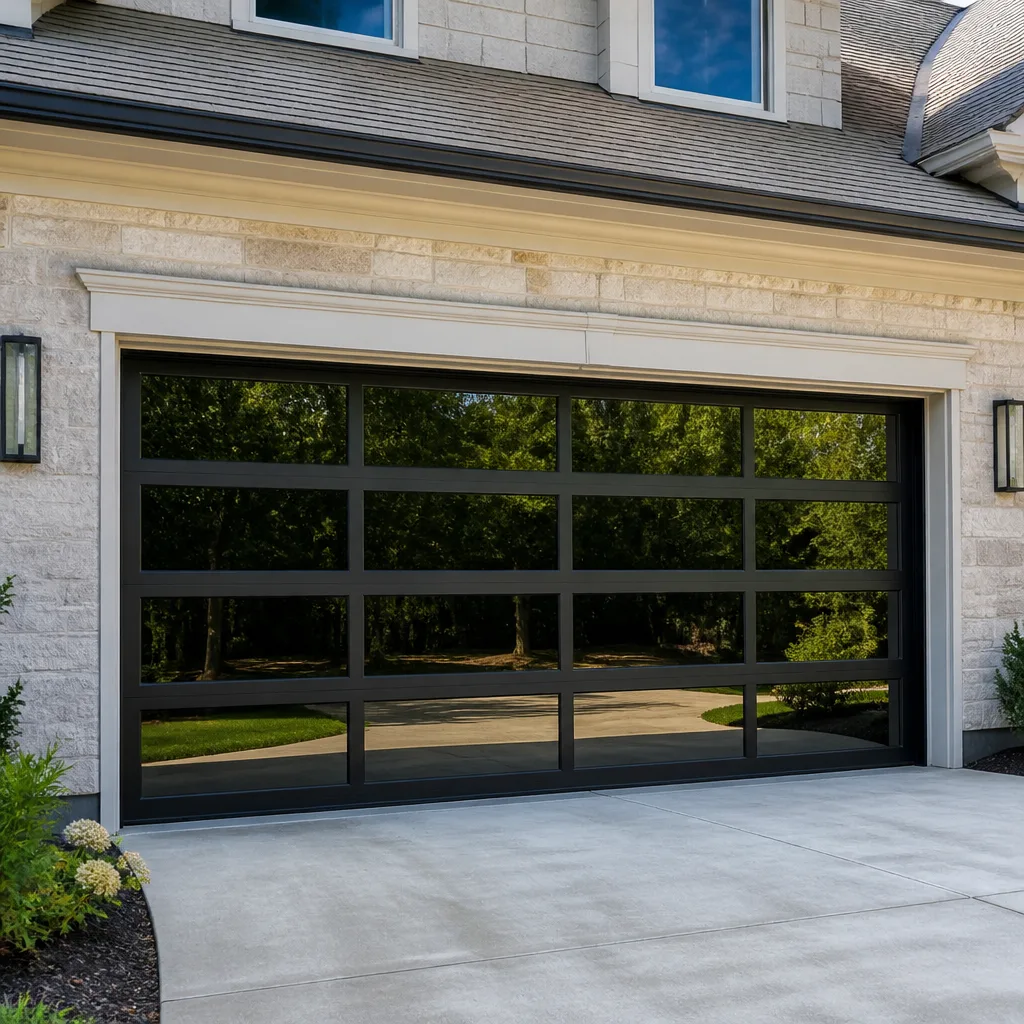 Full-view glass
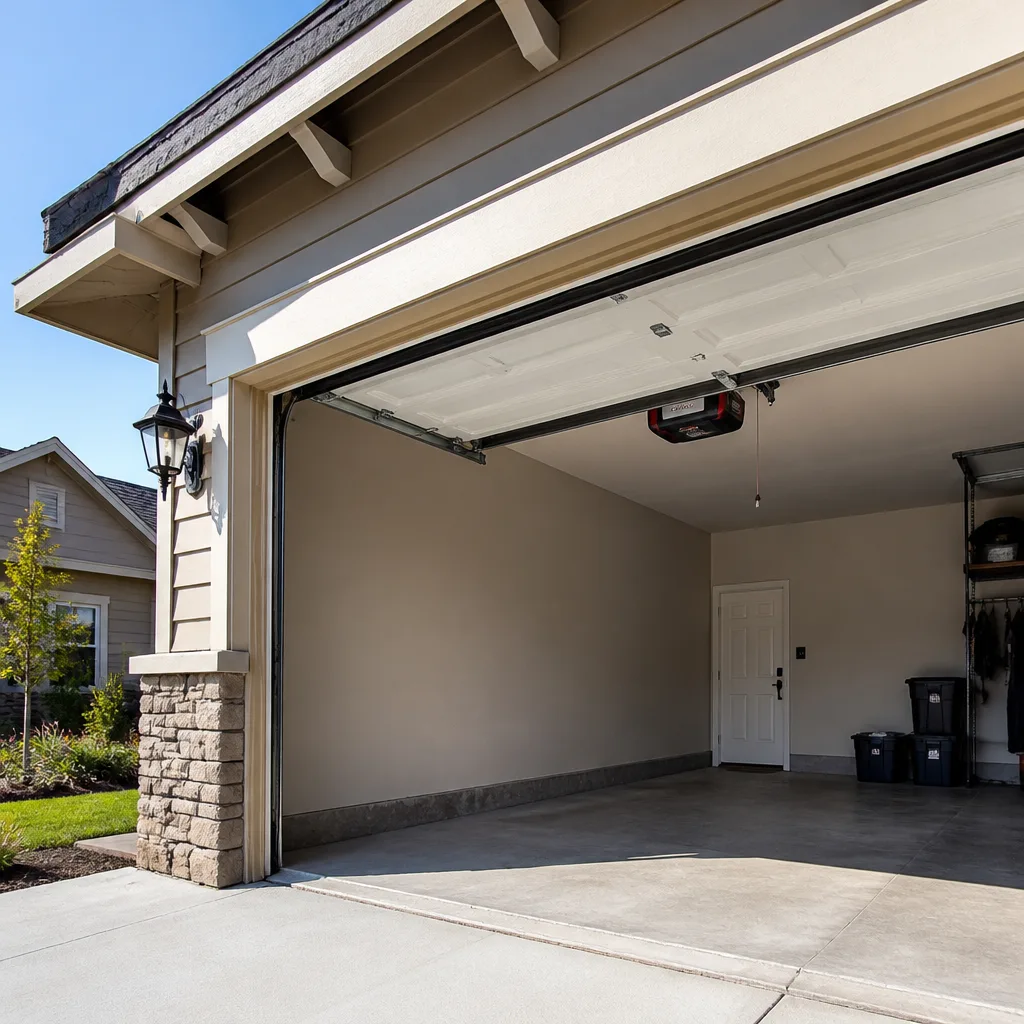 LiftMaster openers
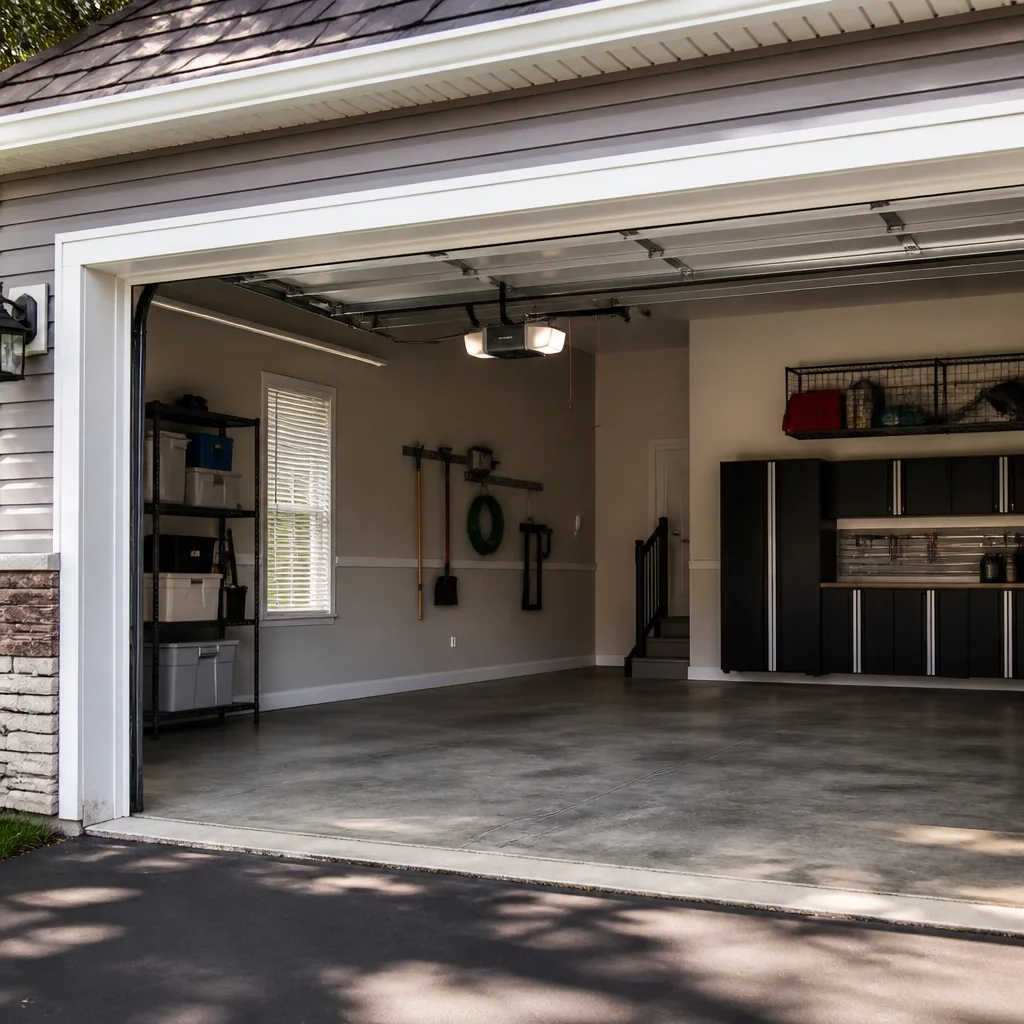 Chamberlain openers
Full 25-point door and opener safety check with every visit - springs, cables, rollers, tracks, and your LiftMaster or Chamberlain opener included
You get a price before we start. It does not change when the pro arrives.
Get your free estimateSeasonal Garage Door Care for Northeast Minneapolis: Year-Round Homeowner’s Guide
October is the most important month for garage door maintenance in Northeast Minneapolis. Not because anything is broken yet, but because nearly every failure that will happen between November and March is already developing in October and is still inexpensive to catch. The usual advice treats the year as four equal seasons. Northeast Minneapolis doesn’t work that way. It runs on two high-stress transitions, fall and spring, flanked by a punishing winter and a short, forgiving summer. This guide walks through what each stretch of the year actually does to your door and how to stay ahead of it.
Quick Answer
In Northeast Minneapolis, garage door care should be weighted toward October and March, not spread evenly across the year. A five-task pre-winter checklist in October catches most cold-weather failures while they’re still cheap to fix, a thaw inspection in March catches freeze damage before it compounds, and one summer check of your opener’s force settings keeps the door running predictably through humid months. Everything else is light routine maintenance.
Styles & brands we work with
- Raised-panel steel
- Carriage house
- Modern flush
- Full-view glass
- LiftMaster openers
- Chamberlain openers
Table of Contents
- Why October Is the Most Important Month in Northeast Minneapolis
- What Winter Does to Torsion Springs
- The Spring Thaw Inspection
- Summer: Humidity, Wood Doors and Opener Drift
- How to Set Opener Force Limits for Each Season
- Winter Operation: What’s Normal and What Isn’t
- Your Year-Round Garage Door Calendar
- Common Mistakes to Avoid
Why October Is the Most Important Month in Northeast Minneapolis
By the time the first hard freeze settles into Northeast Minneapolis, the window for easy fixes has mostly closed. A door that cycles smoothly in September has weeks, not months, before the combination of cold, contraction and stiff grease turns a minor issue into a stuck door. That’s why we treat October as the season’s real maintenance month, ahead of the cold rather than in response to it.
Here are the five tasks that prevent the most common cold-weather failures. Handle these in October and you’ll eliminate the majority of the calls we get in January and February.
- Lubricate the springs, hinges, rollers and tracks. Use a garage-door-specific lubricant, not household oil or WD-40. Cold thickens the wrong product into a gummy film that fights the door’s travel.
- Test the balance of the door by hand. Disconnect the opener and lift the door halfway. It should hold roughly where you leave it. A door that sinks or slams is showing early spring weakness.
- Inspect and lubricate the weather seal along the bottom and sides. A cracked seal lets in meltwater that then freezes the door to the floor.
- Clear the tracks of debris and check for looseness. Grit that sits in a track all winter becomes a grinding point once temperatures drop.
- Test the safety reverse. Place a small object in the door’s path and confirm the door reverses on contact. Cold affects opener performance, so a door that fails this in October will likely fail harder in January.
None of these require special tools. The value is in the timing. Doing them in October in Northeast Minneapolis means every repair is a maintenance item, not an emergency. If something does need attention and you’d rather have it checked properly, our Garage Door Repair Northeast Minneapolis page outlines how a full inspection works.
What Winter Does to Torsion Springs
Torsion springs are the coiled steel that counterbalances your door’s weight. They’re under constant, enormous tension. And they are the component most directly stressed by a Northeast Minneapolis winter, because the season isn’t a steady cold. It’s a cycle: single-digit nights, a thaw into the thirties, then another deep freeze. That cycling is harder on steel than sustained cold alone.
Here’s what’s actually happening. Steel contracts as it cools and expands as it warms. Every one of those freeze-thaw swings places a small additional flex on a spring that’s already tensioned for thousands of cycles. Over a season, that adds up. Springs don’t usually announce themselves before they fail. They simply reach their limit one morning and break.
Two things homeowners in Northeast Minneapolis should understand about spring tension:
- Cold makes the door feel heavier. Stiff grease and contracted metal mean your opener works harder in February than in September. That extra load transfers straight to the springs and the opener’s motor.
- A single broken spring of a matched pair should never be replaced alone. The second spring is the same age and has seen the same cycles. Replacing one leaves you with a door running on one new spring and one about to fail. Pairs are replaced together for a reason.
Spring work is genuinely dangerous. A torsion spring under load can cause serious injury if handled without the right tools and training, and it’s a repair most generalists decline for that reason. It’s a named, dedicated service for us, performed with the safety awareness the job requires. Replacement is priced per spring, and a matched pair is roughly twice the single-spring figure because it’s double the work and double the parts. Our garage door repair service covers spring replacement as one of its core jobs, and a written estimate sets the final price before anything is removed.
The Spring Thaw Inspection
March in Northeast Minneapolis is when winter’s damage becomes visible. The freeze-thaw cycle that stressed your springs has also been working on seals, tracks and hardware. This is the inspection that catches problems before they compound into a full replacement, and it’s the second-most important maintenance window of the year after October.
Walk around the door and check these areas. Each one fails in a predictable way after a hard winter.
- Weatherseal along the bottom and sides. Look for cracks, hardening, or a seal that’s pulled away from the frame. A brittle seal stops flexing and starts letting water in, which then refreezes against the door.
- The bottom bracket and its fasteners. Meltwater collects at the base of the door. If the bracket shows rust creep or the bolts have loosened, that’s freeze damage worth addressing.
- Tracks. Check for out-of-plumb sections and any spot where ice may have pushed the track out of alignment. A track that’s a few degrees off will make the door drag all summer.
- Hinges and rollers. Winter lubricant may have washed out or thickened. Test each hinge for smooth movement and each roller for free spin.
- Paint and finish on wood doors. Anywhere moisture got under the finish over winter, you’ll see lifting or bubbling. Left alone, that’s where rot starts.
Do this inspection in March, before the wet weeks arrive. If a track is out of alignment or a bracket is loose, that’s the sort of thing better handled by a garage door specialist than a generalist. We can take a look and give you a straight answer on what actually needs work versus what just needs a clean and a lube.
Summer: Humidity, Wood Doors and Opener Drift
Summer in Northeast Minneapolis is short and forgiving, which is exactly why it gets ignored. But the humid weeks do two things that catch homeowners off guard, and both are worth a check in early summer.
Wood doors and humidity
Wood absorbs moisture from the air. In a humid Minneapolis summer, a wood door can swell slightly, and that swelling shows up as sticking, binding, or a door that no longer seats cleanly against its stops. It’s not a failure, it’s physics. The fix is usually a small adjustment to the hardware or hinges, but the bigger issue is what the humidity does to your finish. Inspect the paint and any glazed panels for lifting or cracking. Moisture gets under a compromised finish and starts the slow process of rot. Repainting in dry weather is far easier than repairing rot later.
Opener sensitivity drift
Openers are set to specific force limits at installation. Over a humid summer, the door’s travel gets slightly harder or easier, and the opener’s settings no longer match. What you’ll notice is a door that reverses without reason, stops partway, or closes harder than it used to. That drift is your opener telling you it needs recalibration. If your opener is a Genie, Chamberlain, or LiftMaster unit, the adjustment procedure differs a little by model, which is one reason it helps to work with technicians factory-familiar with the brand. Our garage door opener repair service handles this kind of drift routinely.
How to Set Opener Force Limits for Each Season
Force limits are the opener’s sensitivity settings. They determine how much pressure the door must encounter before it reverses. Set them too low and the door reverses on nothing. Set them too high and the safety reverse stops working as it should. Most homeowners set them once and never touch them, but in Northeast Minneapolis the door’s resistance changes with the season, so the settings need to move with it.
Here’s the process. It applies broadly across brands, though the exact adjustment screws or menu differ by model.
- Reconnect the door to the opener and run it a full cycle. Watch the travel and listen for straining or catching.
- Locate the force adjustment. On most older units it’s a screw or pair of screws on the motor housing labeled “force” or “sensitivity.” On newer units it’s in the opener’s programming menu.
- Test the safety reverse first. Place a small object in the door’s path and confirm the door reverses on contact. Do this before adjusting force at all. If it fails, that’s a safety issue, not a calibration issue.
- Adjust in small increments. Make one small turn or one menu step, then run a full cycle. Repeat until the door travels smoothly without straining.
- Repeat the reverse test. Confirm the safety reverse still works after every adjustment. Never leave the door with a higher force setting and an untested reverse.
- Redo this in October and again in early summer. Those are the two points where the door’s resistance shifts most in Northeast Minneapolis, so those are the two points where the settings drift out of sync.
A word of caution: if the door reverses or strains no matter how you set the force, the problem is mechanical, not electronic. That’s usually a spring, roller, or track issue dressed up as an opener problem. Get it diagnosed before you keep raising the force, because a too-high setting masks a real mechanical fault and lets the door run harder than it should.
Winter Operation: What’s Normal and What Isn’t
Once cold sets in, some behavior is normal and some is a warning. Knowing the difference saves a lot of unnecessary worry, and it stops you from ignoring the things that genuinely need attention.
Normal in a Northeast Minneapolis winter: a door that runs a little slower on very cold mornings, a bottom seal that sticks lightly to the floor after a freeze, and an opener that sounds slightly louder when grease is stiff. None of these are failures. They’re the expected effect of cold on moving parts.
Not normal: a door that won’t move at all, an opener that runs but the door doesn’t, a door that goes up partway and stops, or a loud snap followed by a door that feels extremely heavy. That last one is often a broken spring. If you hear it and the door suddenly won’t lift, don’t force it. Don’t try to operate the door manually with a broken spring either; a spring failure puts stress on the opener and the door’s hardware in ways that can cause secondary damage.
For anything on that “not normal” list in Northeast Minneapolis, it’s a call for a garage door specialist. We answer 24/7. Fast dispatch from 7am to 7pm, Sunday through Friday. A call outside dispatch hours is booked into the next opening, and same-day service is available when the schedule allows.
Your Year-Round Garage Door Calendar
If you do nothing else, put these four checkpoints on the calendar. They align with how Northeast Minneapolis’s climate actually stresses a door, not with an even quarterly split.
- October: pre-winter checklist. Lubricate, balance test, seal check, track clear, safety reverse test. This is the highest-value maintenance window of the year.
- December through February: watch and listen. Note any change in speed, sound, or travel. If the door fails or won’t move, call. Don’t force a stuck door in the cold.
- March: thaw inspection. Seal, bracket, track, hinge and finish check. Catch freeze damage before it compounds.
- Early summer: humidity and force check. Inspect wood finishes, watch for sticking, and confirm the force settings still match the door’s travel.
Light maintenance in between is fine and welcome. Wipe down the tracks, keep them clear, and listen for changes. The four checkpoints do the heavy lifting.
Common Mistakes to Avoid
- Treating all four seasons as equal. Spreading maintenance evenly across the year means October and March, the two months that matter most in Northeast Minneapolis, get the same attention as June. They shouldn’t.
- Replacing one spring of a matched pair. The second spring has the same age and cycles. Replacing one leaves a door balancing on one fresh spring and one near failure.
- Using household oil on the tracks and springs. The right garage-door lubricant stays workable in cold. The wrong one thickens into a gummy film and slows the door’s travel all winter.
- Raising the opener’s force to fix a sluggish door. A too-high force setting masks a real mechanical problem and lets the door run harder than it should. Diagnose the door first.
- Ignoring the bottom seal. A cracked seal lets meltwater freeze against the door. It’s the cheapest part to replace and one of the most common cold-weather failure sources.
- Forcing a stuck door in cold weather. Pulling harder on a door with a broken spring or a frozen seal causes secondary damage to the opener and hardware. Stop and get it checked.
- Skipping the summer check entirely. Northeast Minneapolis summers are short, but humidity-driven swelling and opener drift are real. A ten-minute check in early summer saves a repair later.
See the difference
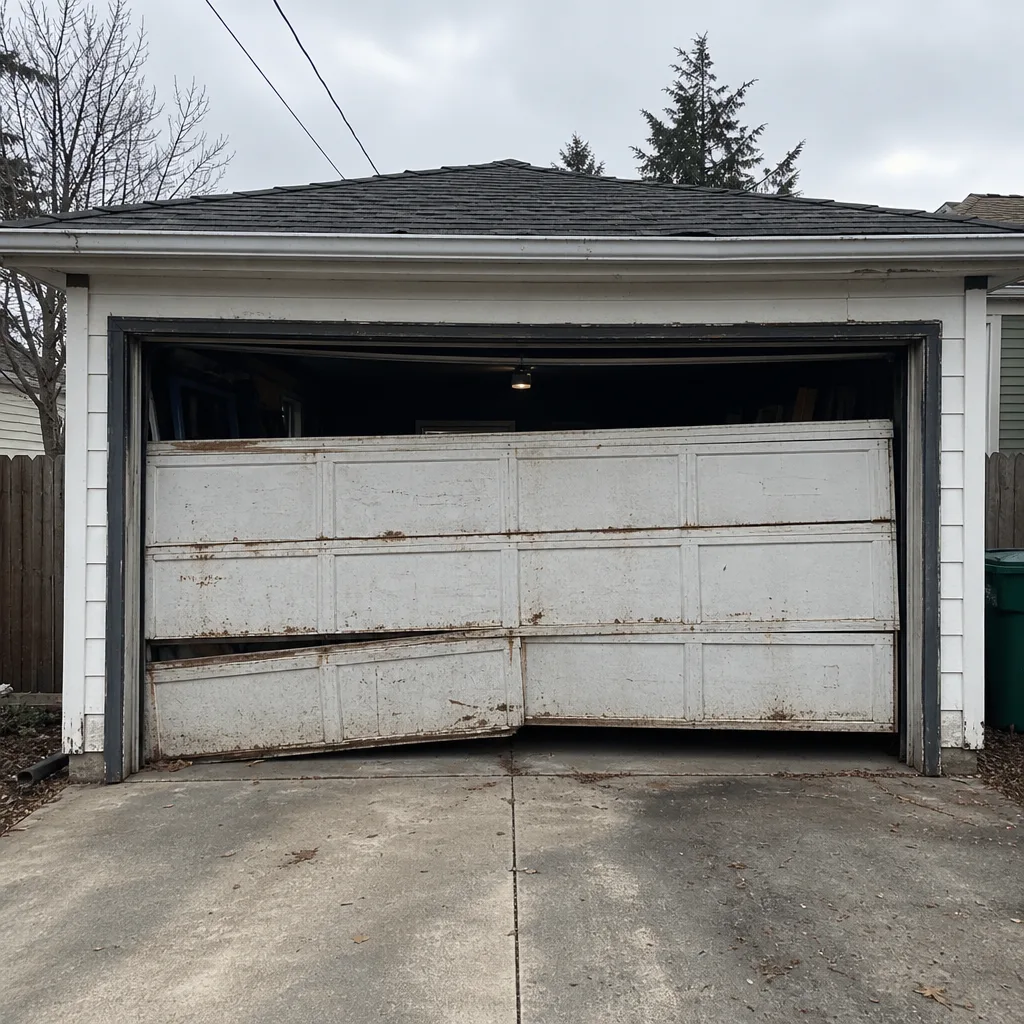 Before
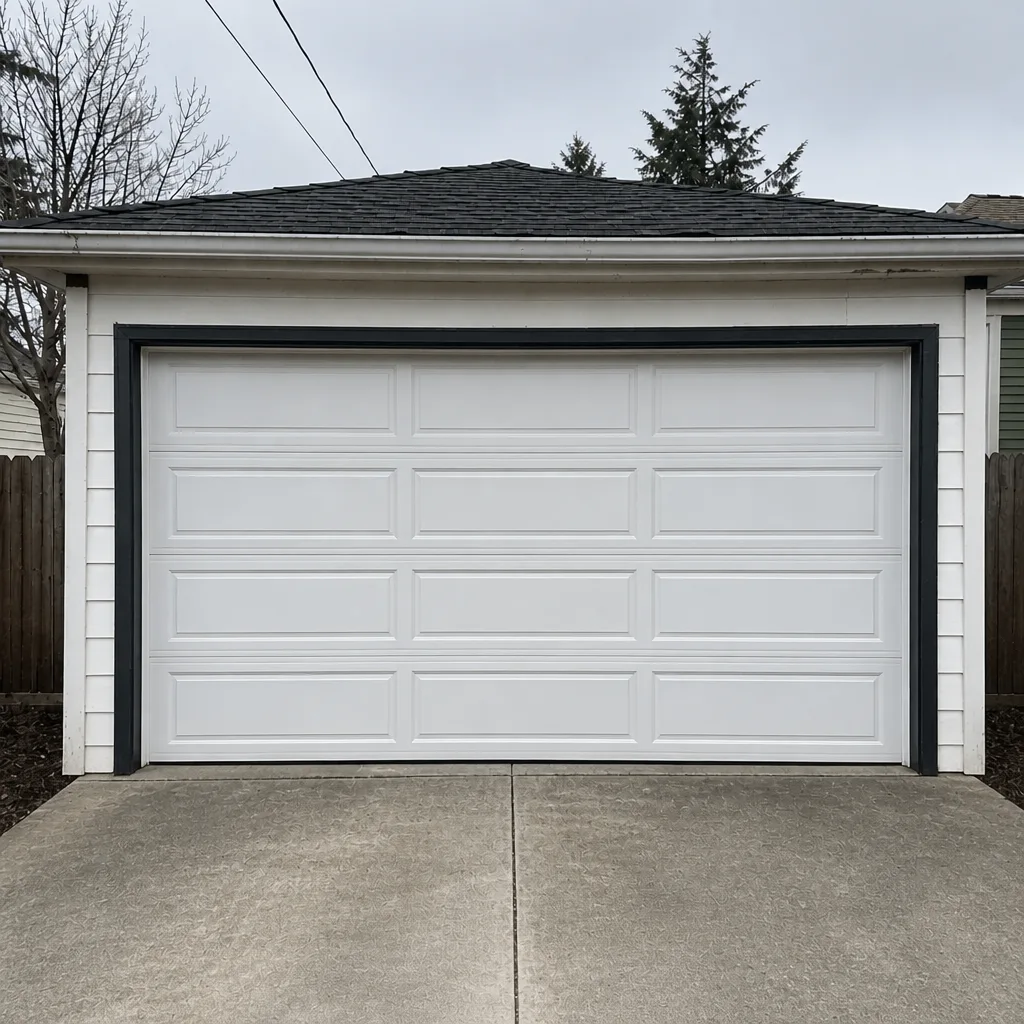 After
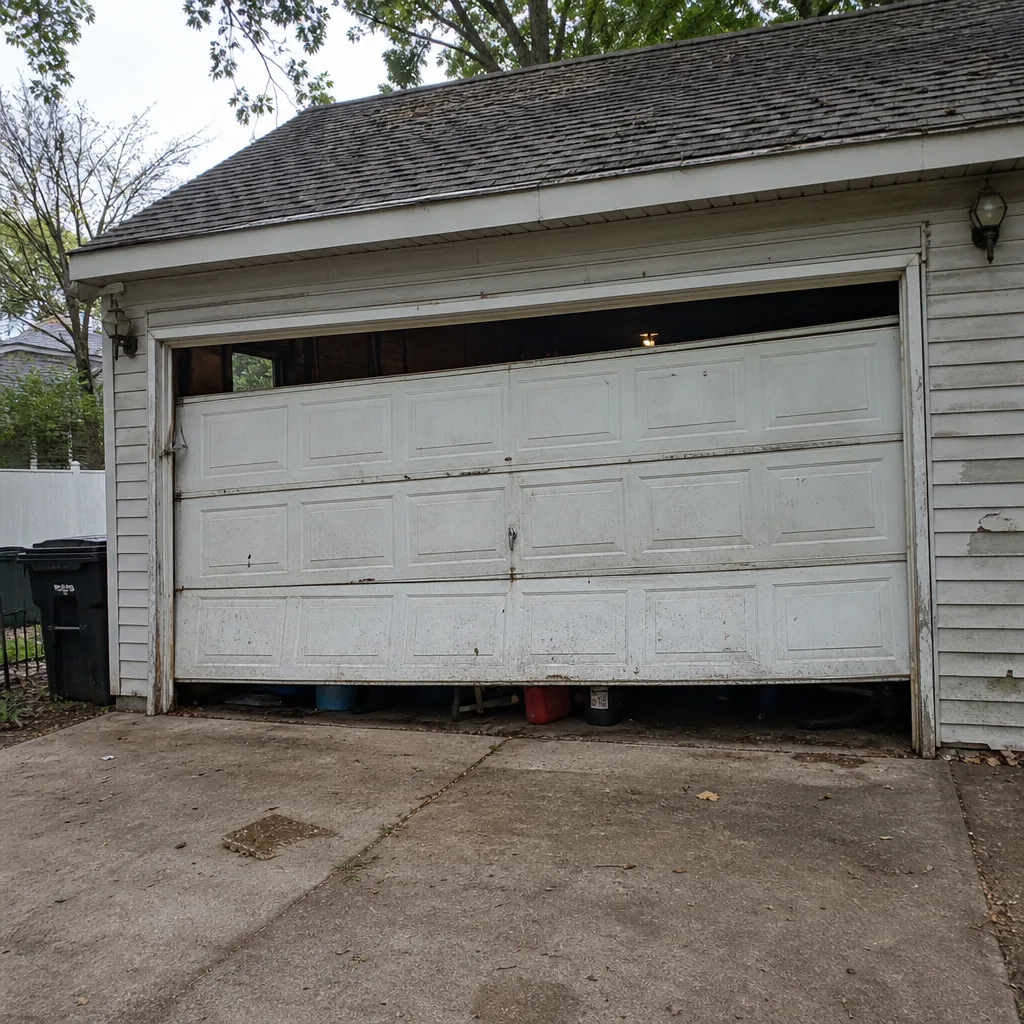 Before
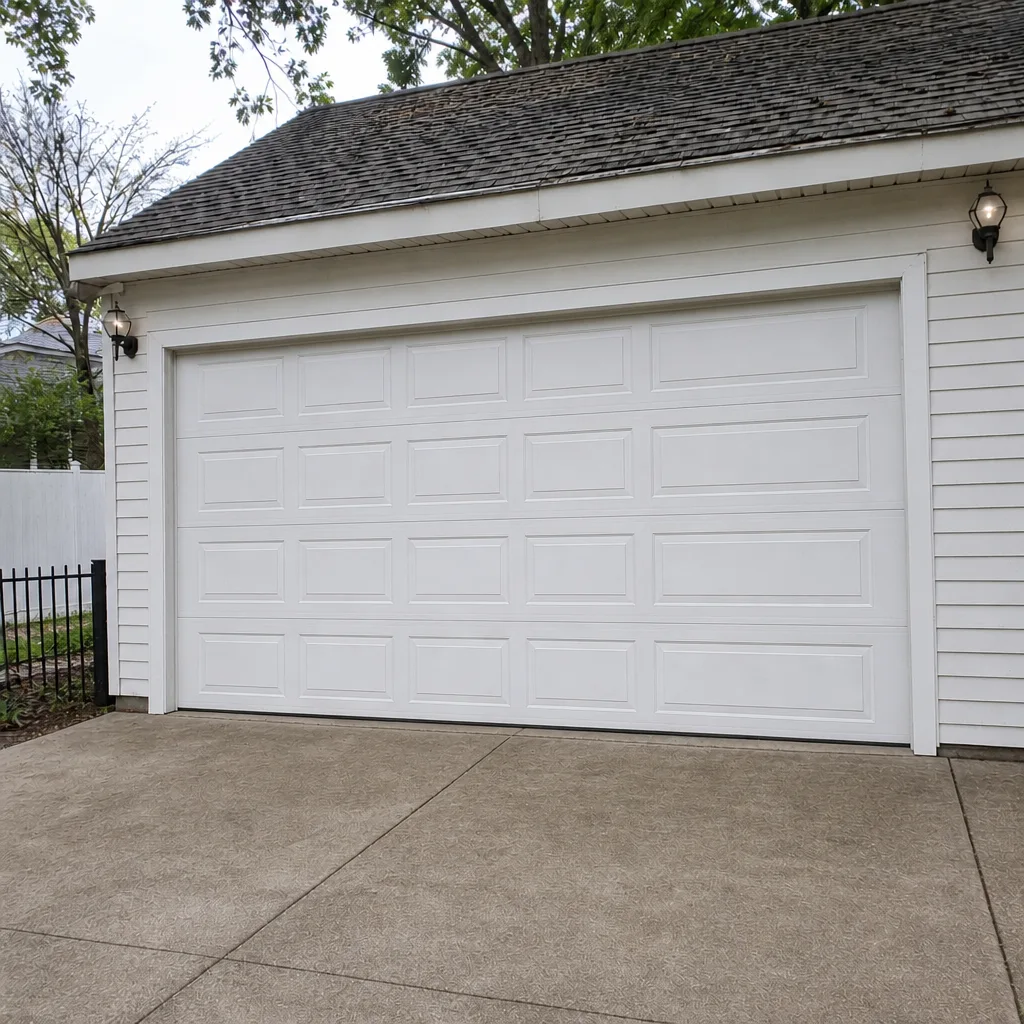 After
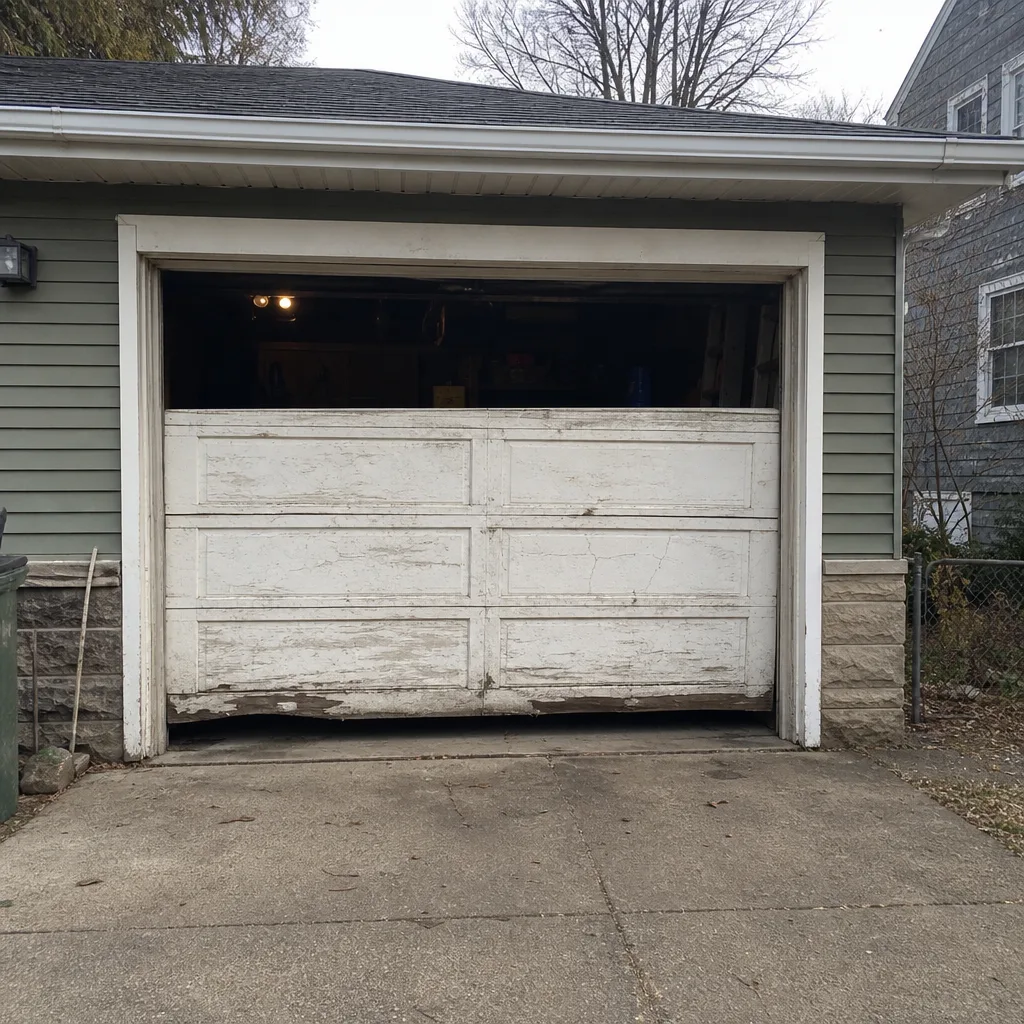 Before
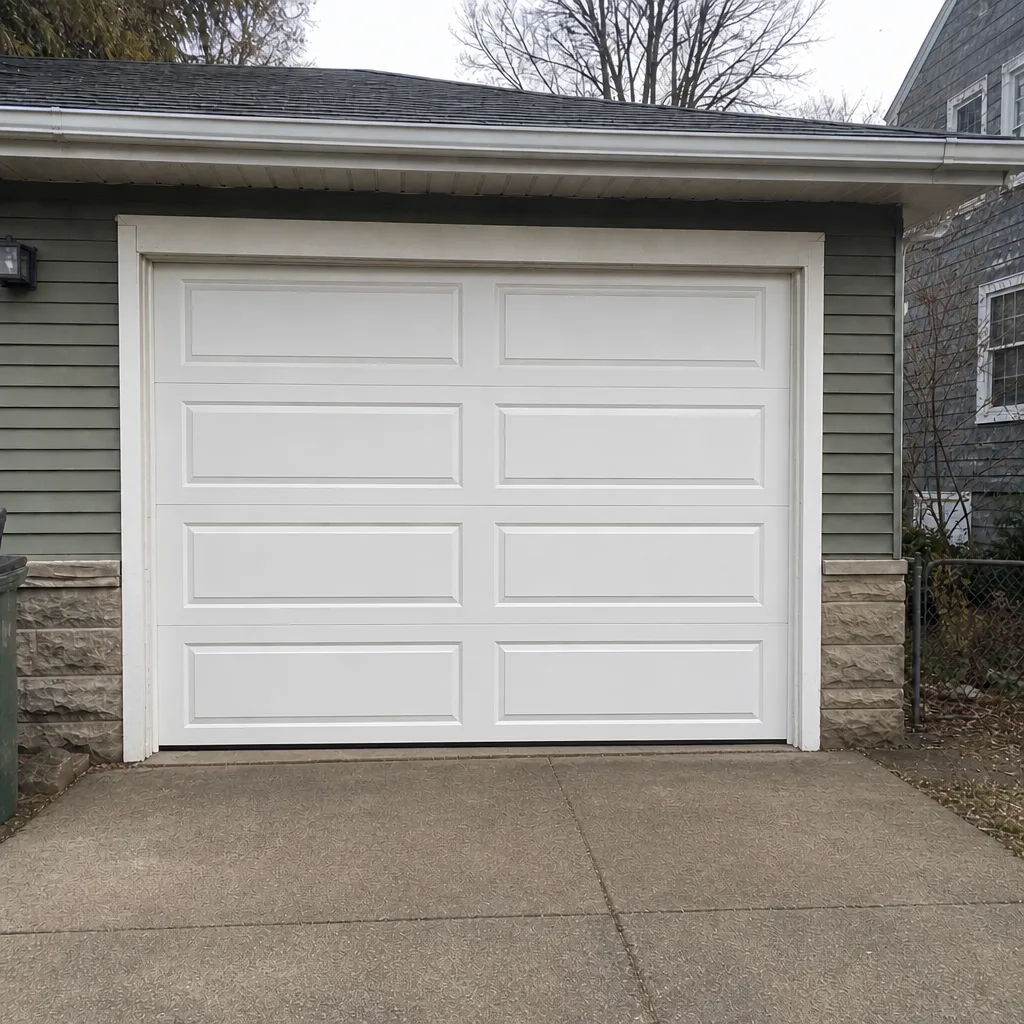 After
When to Call a Professional
Call a specialist if the door won’t open or close, if a spring has broken or you hear a loud snap, if your opener runs but the door doesn’t move, if the door reverses without reason, or if any of the safety reverse tests fail. Spring work, opener diagnostics, and out-of-alignment tracks are jobs where a garage door specialist is the right call over a generalist, because the failure modes are specific to the trade. Garage Door Repair Northeast Minneapolis offers free estimates in Northeast Minneapolis – call (844) 888-9545. We answer 24/7. Fast dispatch from 7am to 7pm, Sunday through Friday. Our technicians have up to 12 years of experience, and we’re equipped to service products from the eight leading brands homeowners actually own, including LiftMaster, Chamberlain, Genie, Clopay, Amarr, Wayne Dalton, Craftsman and Raynor.
Frequently Asked Questions
Four checkpoints a year is right for this climate, and they’re not evenly spaced. The two that matter most are a five-task pre-winter checklist in October and a thaw inspection in March. Summer and mid-winter checks are lighter touch-ups, mostly watching for changes in sound, speed and travel. If the door is a wood model or you haven’t inspected it in a while, give the spring and summer checks a little more attention. Call (844) 888-9545 for an exact quote – estimates are free.
The freeze-thaw cycle is the culprit, not sustained cold alone. Single-digit nights and thirties afternoons make the steel contract and expand repeatedly, which adds flex with every swing to a spring that’s already under constant tension. Springs don’t give much warning before they break, which is why the October balance test matters. If a spring has already broken, spring replacement is a dedicated service, priced per spring, and a matched pair costs roughly twice a single spring. We quote and agree the price before any work starts. Call (844) 888-9545 for a free estimate.
Probably not, if it’s humidity-driven swelling on a wood door or a slight opener drift. Wood absorbs moisture in humid months and can bind against its stops, and openers set in spring often don’t match the door’s summer travel. The fix is usually a small hardware adjustment or an opener recalibration. The thing to watch is the finish: if paint or glazing is lifting, moisture is getting under it and that’s worth addressing before rot sets in. Our garage door opener repair service handles the drift side. Call (844) 888-9545 for an exact quote – estimates are free.
Yes, matched springs should be replaced together. The second spring has the same age and has cycled the same number of times, so replacing only the broken one leaves you with a door running on one fresh spring and one near failure. It costs more upfront, but it’s the right call. The written estimate sets the final price before anything is removed. Call (844) 888-9545 for an exact quote – estimates are free.
Same-day service is available when the schedule allows, and we prioritize situations where security or access can’t wait. We answer 24/7. Fast dispatch from 7am to 7pm, Sunday through Friday. A call outside dispatch hours is booked into the next opening. Call (844) 888-9545 and tell us what the door is doing.
No. We quote the job and agree the price with you before any work begins, and the written estimate is what sets the final price. If the diagnosis uncovers something bigger, you hear about it first, before anything changes. Call (844) 888-9545 for an exact quote – estimates are free.
Yes. Alongside repair and opener work, garage door installation is a core part of what we do, and the same technicians who install a door stay familiar with its opener and springs down the line. Installation is measured, ordered and scheduled – it isn’t a same-day job – so the first step is a free measure and a written price. We service brands including Clopay, Amarr and Wayne Dalton, so you’re not limited to what a big-box store happens to have. Call (844) 888-9545 for an exact quote – estimates are free.
The Bottom Line
Northeast Minneapolis doesn’t give your garage door four equal seasons of wear. October and March are where the work actually pays off. Handle the five pre-winter tasks in October, do the thaw inspection in March, and adjust your opener’s force limits at each change of season. Those three habits prevent the majority of cold-weather failures and skip the costly surprises. Everything else is light maintenance. When something’s beyond a checkup, whether it’s a broken spring, a drifting opener or a door that needs replacing, a specialist is the right call. Call (844) 888-9545 for a free estimate.
Written by the team at Garage Door Repair Northeast Minneapolis.